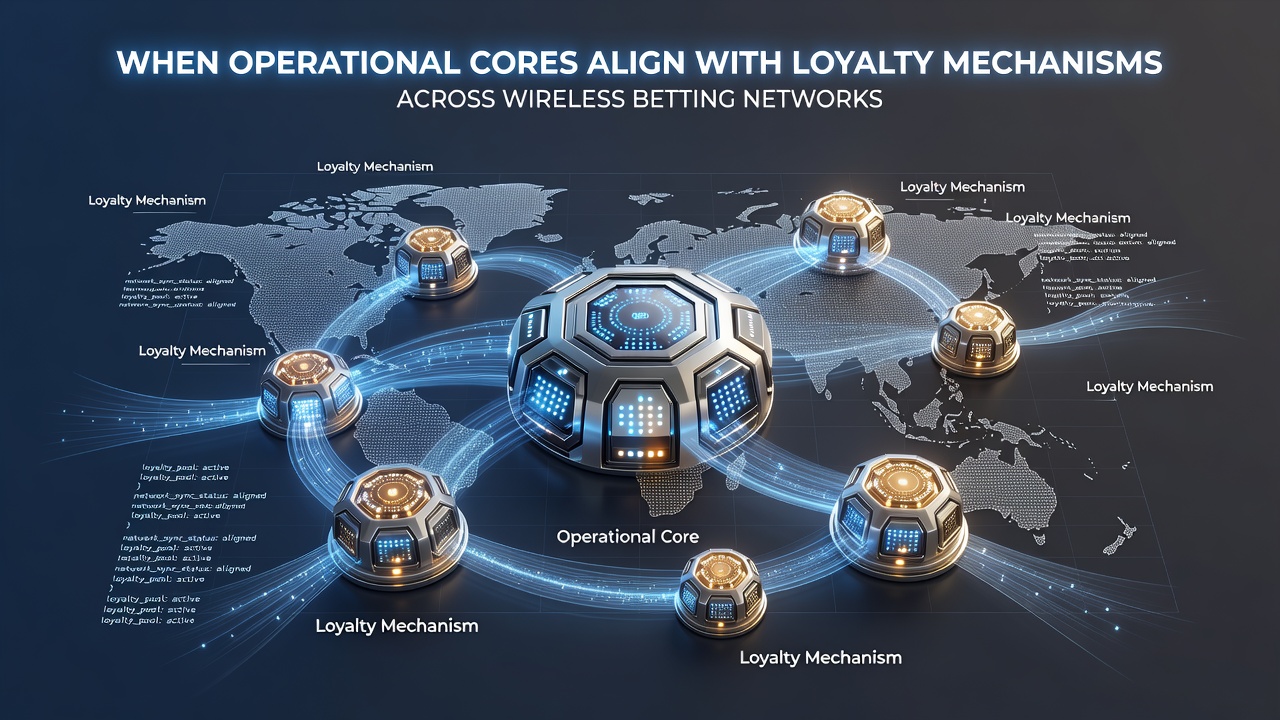
Core Systems Sync With Player Rewards Across Mobile Wagering Platforms
Wireless betting networks now run on tightly linked operational cores that handle real-time processing, risk management, and transaction routing while loyalty mechanisms track player activity, issue rewards, and adjust offers based on behavior patterns. Observers note that alignment between these layers reduces latency during live events and keeps reward calculations accurate even when thousands of simultaneous bets flow through mobile apps.
Industry reports from August 2026 show mobile wagering volumes continuing to rise in North America and parts of Asia, with backend teams focusing on modular architectures that let loyalty engines pull directly from core ledgers. Data streams carrying bet details, session lengths, and deposit histories feed into reward engines without manual handoffs, which cuts processing errors and supports instant bonus unlocks.
Key Integration Points in Current Deployments
Operational cores typically manage game logic, odds feeds, and settlement engines, whereas loyalty mechanisms sit on top to monitor cumulative play, tier progression, adn personalized incentives. When these components share a common data model, updates to a player’s status propagate instantly across devices, allowing a user who reaches a new tier on one phone to see updated benefits on a tablet moments later.
Research indicates that shared APIs between core modules and loyalty databases cut reconciliation time by measurable margins in large-scale operations. One deployment in a multi-jurisdiction network demonstrated that unified data schemas let reward triggers fire within milliseconds of a qualifying bet settlement, a change that improved retention metrics tracked by operators in several regions.
Data Flows and Real-Time Adjustments
Wireless networks rely on continuous synchronization between core transaction logs and loyalty scoring systems, especially during peak periods such as major sports events. Event-driven architectures push bet outcomes and player actions into loyalty queues, where algorithms calculate points, unlock free bets, or adjust cashback percentages based on predefined rules.
Figures from regulatory filings in multiple markets reveal that operators using aligned systems report fewer disputes over missing rewards because every action is recorded once in the core and read by loyalty services without duplication. This single-source approach also simplifies audit trails required by oversight bodies.
Compliance and Geographic Variations
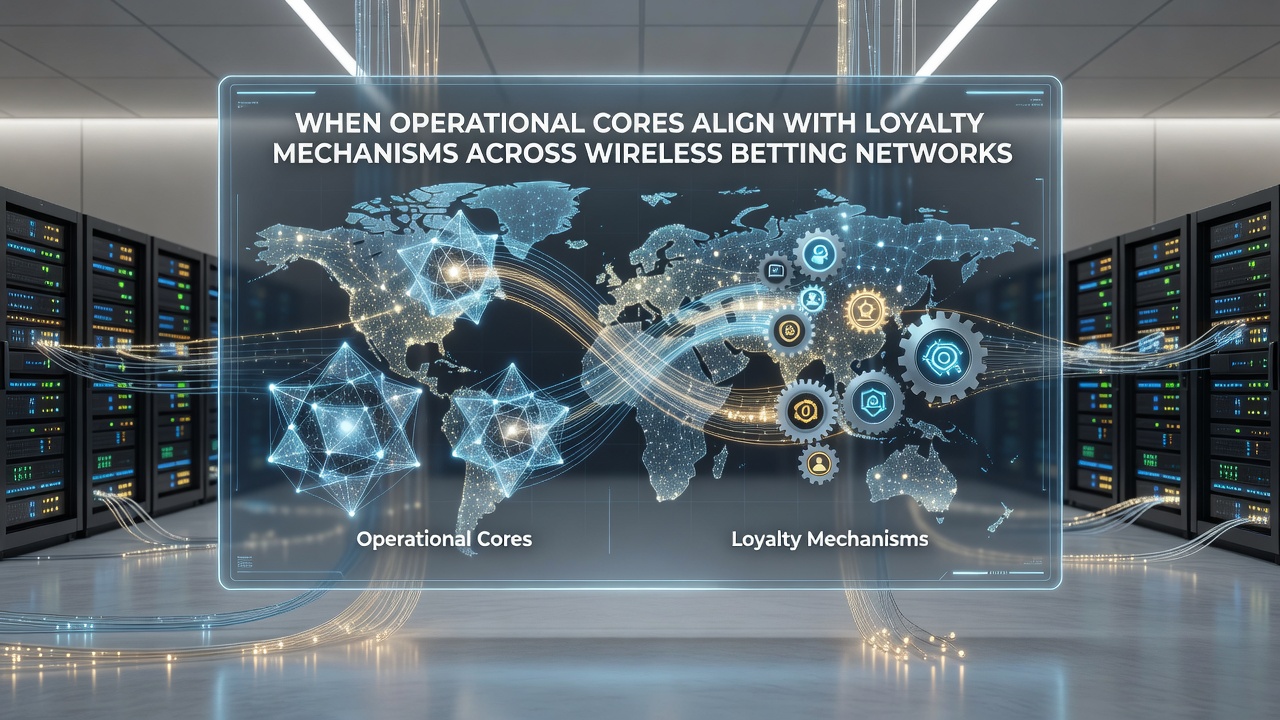
Different regulatory frameworks demand specific logging and reporting standards, which aligned cores and loyalty systems address through configurable rule sets. The Alcohol and Gaming Commission of Ontario requires detailed records of bonus issuances tied to wager activity, while Australian state regulators track similar data through centralized reporting portals. Operators that maintain unified data layers can generate jurisdiction-specific extracts without rebuilding pipelines for each market.
Those who have studied cross-border deployments note that standardized data dictionaries between core and loyalty components reduce the effort needed to adapt to new rules when additional provinces or states open to mobile betting. The approach also supports responsible gambling flags that must travel with player accounts regardless of device or location.
Performance Outcomes Observed in 2026 Networks
Network monitoring data collected through mid-2026 indicates that platforms with synchronized cores and loyalty tools experience shorter settlement windows during high-volume periods. Mobile sessions remain stable because reward calculations occur in parallel threads rather than sequential steps that once created bottlenecks.
Case examples from operators in Europe and North America show that loyalty engines drawing live feeds from operational cores can apply dynamic multipliers to rewards based on game type or time of day without separate batch processes. This capability keeps offers relevant and supports segmented campaigns that adjust in near real time.
Conclusion
Alignment between operational cores and loyalty mechanisms continues to shape how wireless betting networks deliver consistent experiences across devices and regions. Shared data models, real-time feeds, and configurable compliance layers form the foundation for current deployments, with further refinements expected as mobile volumes grow and regulatory requirements evolve.