
How Data Streams From Casino Game Providers Reshape Player Management Tactics in Emerging iGaming Networks
Data streams from casino game providers deliver continuous feeds of player behavior metrics, bet patterns, session durations, and game interaction details directly into backend systems that emerging iGaming networks rely on for daily operations. These feeds originate from slot machines, table games, and live dealer platforms operated by third-party suppliers, then flow through APIs into centralized management platforms where operators adjust tactics without manual intervention. As networks expand into new markets during 2026, the volume of this data has increased, with reports from industry bodies indicating that average daily data points per active user reached several thousand across multiple game types.
Core Mechanisms of Data Integration
Casino game providers transmit structured data packets that include timestamps, wager amounts, win/loss ratios, and device identifiers, which network operators merge with customer relationship management databases to build dynamic player profiles. This integration allows segmentation to occur in real time rather than through periodic batch processing, so operators can identify shifts in behavior as they develop and respond within the same session. Technical standards from organizations such as the International Gaming Standards Association have supported this process by defining common data formats that reduce compatibility issues between different providers and emerging network infrastructures.
Adjustments to Player Segmentation Practices
Traditional segmentation relied on historical aggregates that grouped players by total spend or frequency over weeks or months, yet incoming streams now enable micro-segmentation based on momentary preferences and risk indicators. Emerging networks in regions outside mature European and North American markets apply these refined categories to allocate bonus structures and promotional offers more precisely, matching incentives to current engagement levels rather than past averages. Observers note that networks adopting these methods report measurable changes in how player cohorts respond to targeted communications, with data from multiple operators showing reduced churn rates when segmentation updates happen continuously instead of weekly.
Real-Time Personalization and Retention Tactics
Retention teams within emerging iGaming networks use live data to trigger personalized interventions such as tailored game recommendations or dynamic limit adjustments during active sessions. When a player shows signs of decreasing engagement through slower bet pacing or session length reduction, the system can surface alternative titles from the same provider catalog or adjust loyalty point multipliers automatically. This approach draws on aggregated performance metrics supplied by game vendors, allowing operators to test which content types sustain longer play periods without requiring separate A/B testing infrastructure. Research from academic sources including studies published through the University of Nevada's gaming research center has documented how such data-driven interventions correlate with extended lifetime value metrics across smaller-scale network deployments.
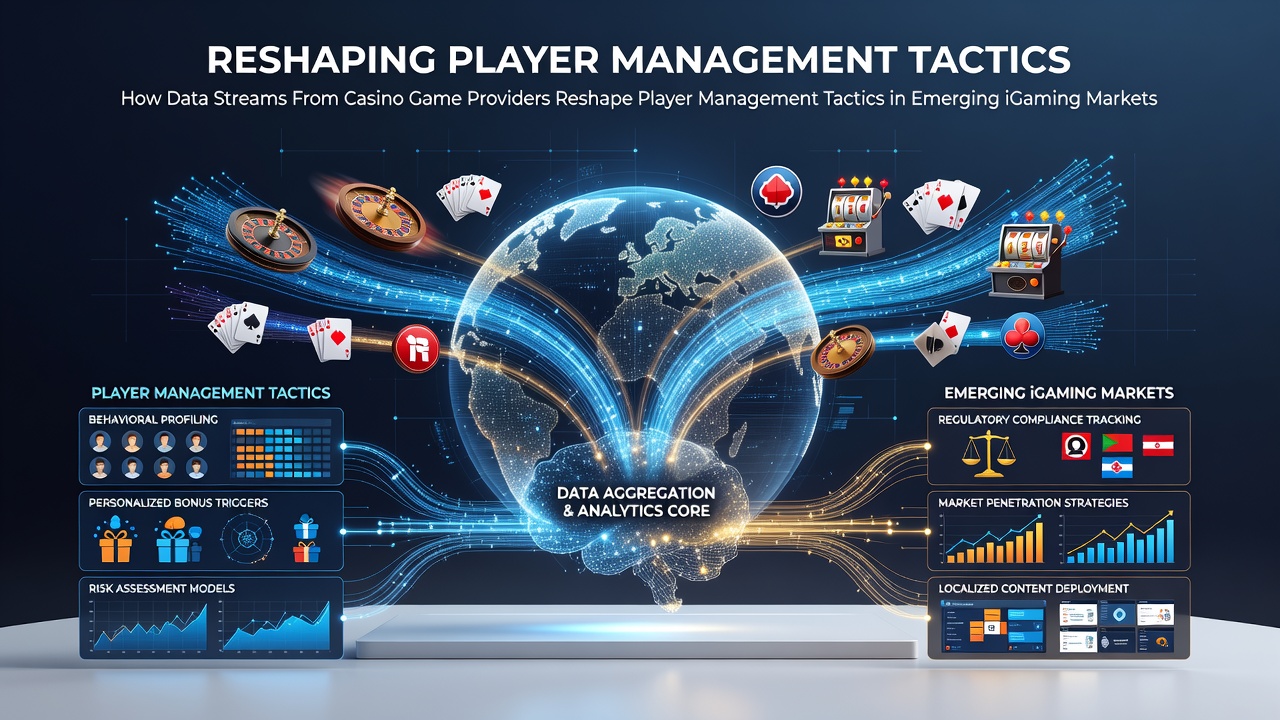
Payment and bonus management systems also receive direct input from these streams, enabling synchronized adjustments to wagering requirements or cashback percentages based on recent activity patterns. Networks operating across multiple jurisdictions coordinate these changes through centralized dashboards that aggregate provider data while respecting local regulatory reporting deadlines. Figures from regulatory filings in Australian and Canadian markets during the first half of 2026 illustrate how operators have scaled such synchronized systems to handle thousands of concurrent users without latency spikes that previously disrupted retention campaigns.
Operational Shifts in Emerging Market Contexts
Emerging iGaming networks often launch with leaner teams than established operators, making automated responses derived from provider data streams essential for maintaining competitive player management without large staff overhead. These networks integrate feeds from multiple game suppliers into unified platforms that flag high-value sessions or potential problem gambling indicators for immediate review by compliance teams. Data indicates that networks established after 2024 have adopted these integrated systems at higher rates than legacy operations, partly because newer infrastructures avoid legacy compatibility constraints. As of June 2026, several regional operators have reported successful deployment of provider-sourced analytics in markets entering regulated online gambling for the first time, where rapid scaling of player bases requires precise resource allocation.
Technical and Compliance Considerations
Network operators must maintain secure transmission protocols when handling continuous data flows, since game providers deliver sensitive behavioral information that falls under data protection rules in each jurisdiction. Compliance frameworks from bodies such as the Malta Gaming Authority and the Alcohol and Gaming Commission of Ontario require documented audit trails for any automated decisions that affect player accounts. These requirements have prompted many emerging networks to implement logging layers that record how incoming streams influence segmentation changes or offer triggers, ensuring traceability during regulatory reviews. Technical partnerships between providers and network operators have focused on standardizing encryption methods and API authentication to support the increased data velocity without compromising security standards.
Conclusion
Data streams originating from casino game providers have become foundational inputs for player management systems in emerging iGaming networks, driving shifts from periodic to continuous segmentation and enabling automated retention responses. Integration of these feeds supports precise allocation of resources across expanding user bases while meeting reporting obligations in new regulatory environments. As networks continue to mature through 2026, the reliance on real-time provider data continues to influence how operators structure their backend processes and compliance workflows.