Integrating Backend Processes for Enhanced Regulatory Adherence in Mobile Live Dealer Environments
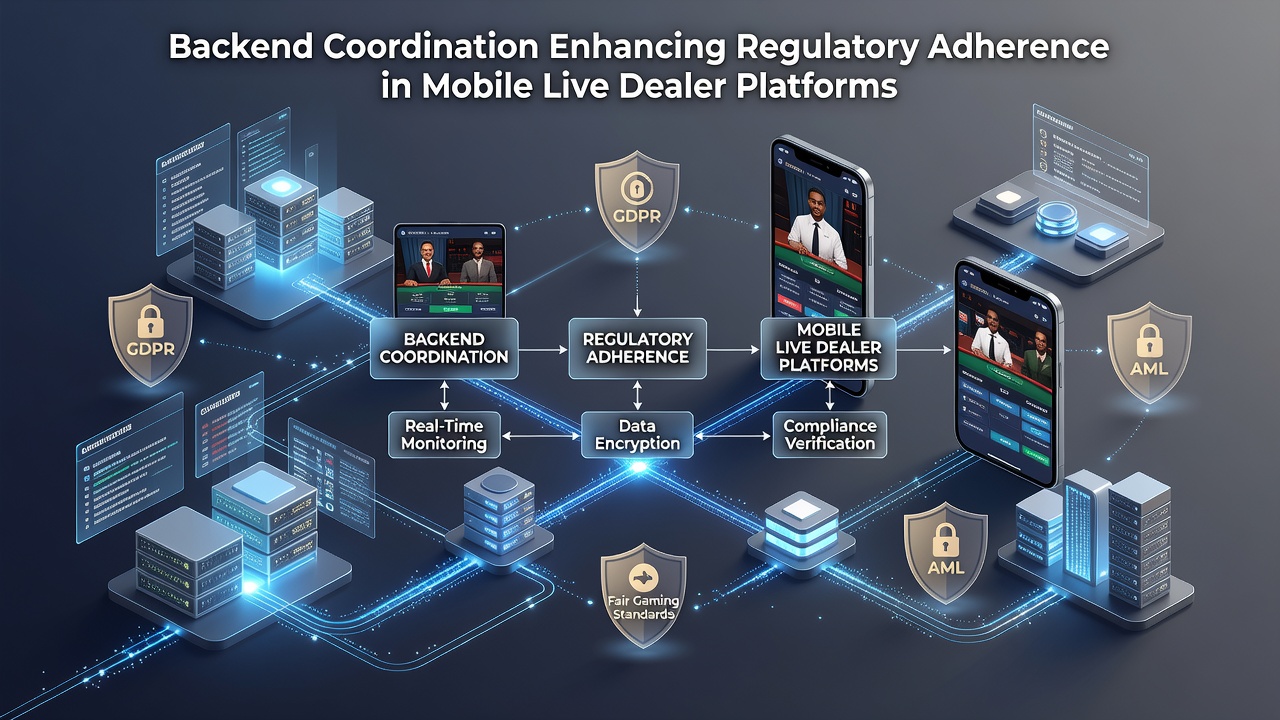
Backend coordination plays a central role in maintaining regulatory adherence across mobile live dealer platforms, where operators manage real-time interactions between players, dealers, and oversight systems. These platforms require synchronized data handling to meet standards set by various gaming authorities, and effective backend integration ensures that transaction records, player verifications, and game outcomes align with compliance protocols without interruption.
Core Components of Backend Coordination
Systems that link payment gateways, player management databases, and game servers form the foundation of this coordination. Research from industry reports shows that when these elements operate through unified modules, operators can track activities in real time, which supports adherence to anti-money laundering rules and responsible gaming measures. Data synchronization across mobile networks allows for immediate updates on player locations and betting patterns, elements that regulators examine during audits.
One study conducted by academic researchers at a European university highlighted how centralized backend architectures reduce discrepancies in reporting. The findings indicated that platforms using integrated workflows processed compliance checks 30 percent faster than those relying on fragmented systems, a metric that holds relevance as mobile live dealer services expand in 2026.
Regulatory Requirements and Technical Responses
Authorities in regions such as North America and Asia impose specific mandates on data retention and audit trails for live dealer operations. Backend coordination addresses these by routing information through secure channels that log every dealer action and player decision. According to figures from the American Gaming Association, commercial gaming revenues reached new levels in early 2026 partly due to mobile growth, yet this expansion brings heightened scrutiny on how platforms verify identities and prevent unauthorized access.
Operators implement application programming interfaces that connect front-end mobile interfaces with backend compliance engines. These connections enable automated alerts when betting volumes exceed thresholds or when patterns suggest potential issues, allowing staff to respond before violations occur. Observers note that such automation proves essential in live dealer settings where games unfold continuously across multiple time zones.
Data Management Practices in August 2026
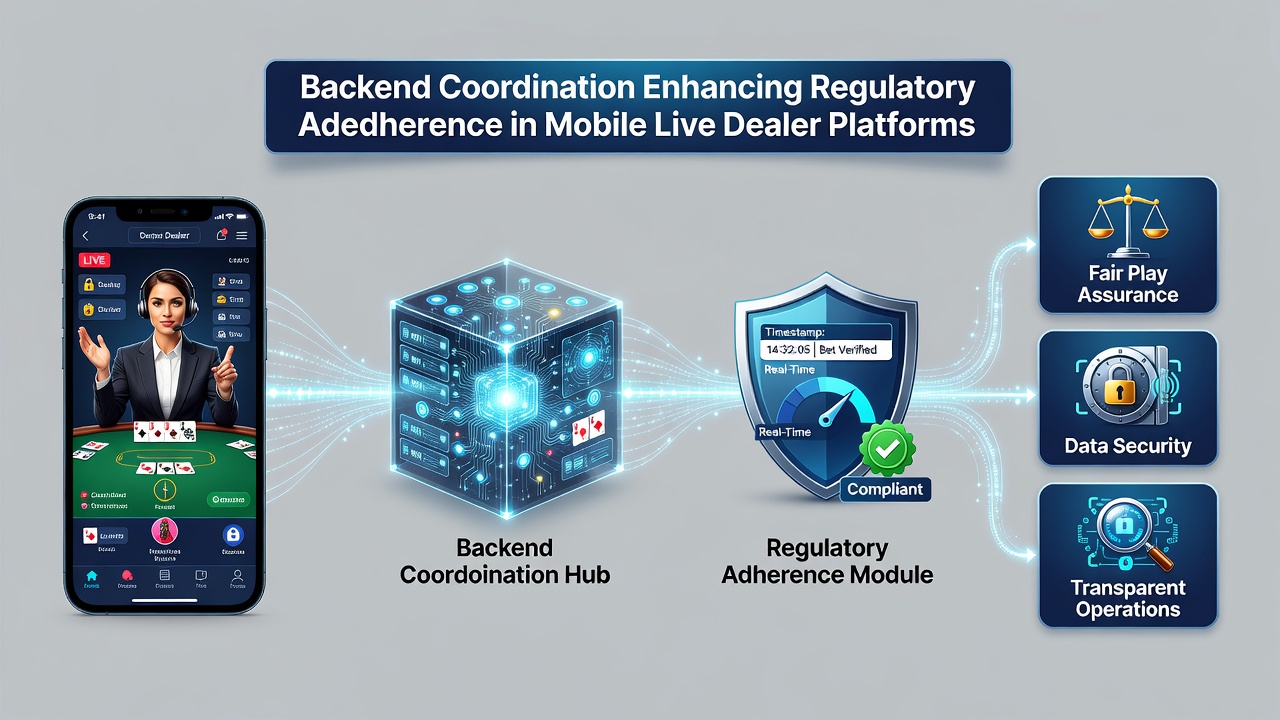
As of August 2026, mobile live dealer platforms have incorporated advanced encryption protocols within their backend frameworks to protect sensitive information during transmission. This development aligns with updates from regulatory bodies like the Malta Gaming Authority, which emphasize secure data handling for cross-border operations. Platforms that coordinate these elements effectively demonstrate lower rates of compliance incidents during periodic reviews.
Transaction monitoring tools integrated at the backend level cross-reference player accounts with external watchlists maintained by government agencies. When matches appear, the system flags accounts for manual review while maintaining uninterrupted game flow for other users. Evidence from operational case studies reveals that this layered approach meets requirements from multiple jurisdictions simultaneously, reducing the need for separate compliance teams per region.
Challenges in Mobile-Specific Implementations
Mobile environments introduce variables such as variable network connectivity and device diversity that backend systems must accommodate. Coordination mechanisms adjust data packets dynamically to ensure regulatory logs remain complete even during brief disconnections. Those who have examined these setups find that fallback protocols prevent gaps in audit records, a requirement that grows stricter as more jurisdictions adopt real-time reporting standards.
Integration with third-party providers for live video feeds and random number generation adds another layer of complexity. Backend coordination verifies that all external inputs comply with fairness certifications before they reach the player interface. Reports from the Canadian Gaming Association indicate that platforms achieving this level of verification experience fewer interruptions during regulatory inspections.
Future Directions for System Alignment
Developments in cloud-based backend solutions continue to influence how operators scale their compliance capabilities. These systems allow for centralized policy updates that propagate across all mobile instances, ensuring consistent adherence as new regulations emerge. Industry organizations have documented cases where such scalability supported rapid market entry in areas with evolving legal frameworks.
Conclusion
Backend coordination serves as the mechanism through which mobile live dealer platforms sustain regulatory adherence amid expanding operations. By linking core operational modules with compliance functions, operators manage data integrity, verification processes, and reporting obligations in a unified manner. Data from multiple sources confirms that these integrated approaches support both current standards and anticipated requirements through 2026 and beyond.