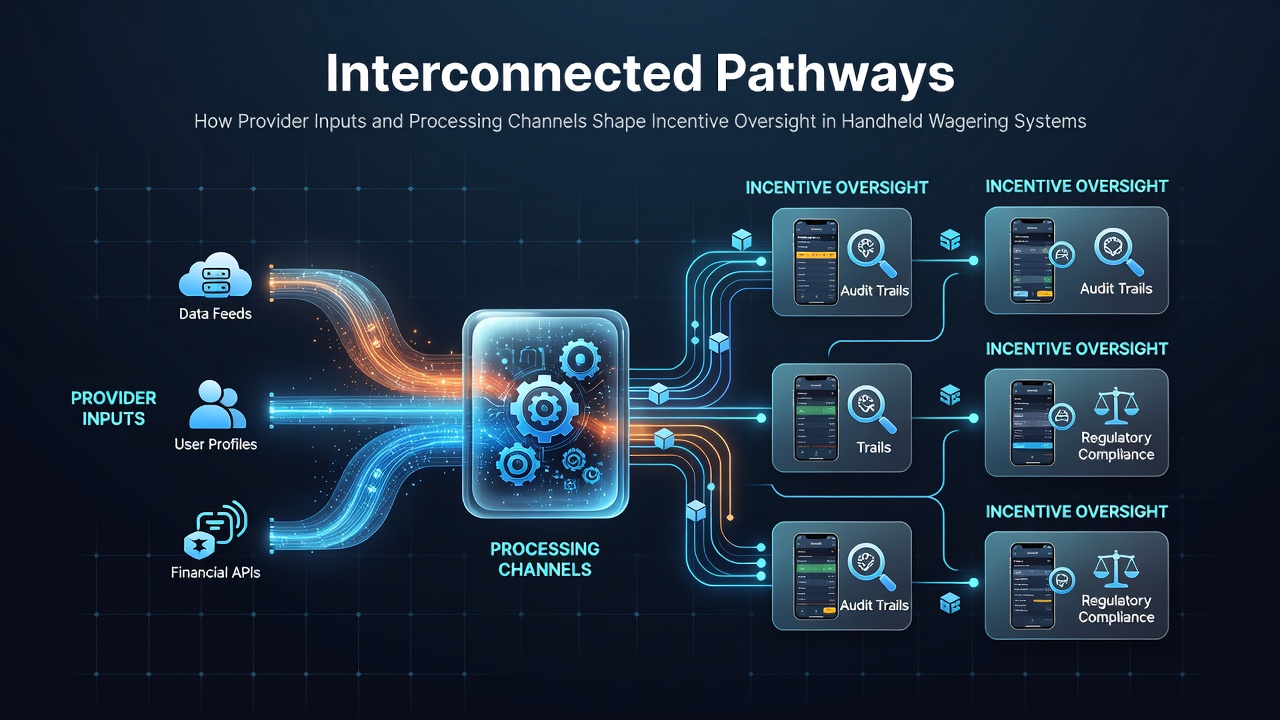
Interconnected Pathways: How Provider Inputs and Processing Channels Shape Incentive Oversight in Handheld Wagering Systems
Provider inputs from game developers and content suppliers enter handheld wagering systems through structured data feeds that include player activity logs, game outcome records, and promotional trigger events, while processing channels handle the routing of these inputs across payment gateways, bonus engines, and compliance modules. These pathways determine how incentives such as deposit matches, free spins, and loyalty rewards receive monitoring and adjustment in real time across mobile devices.
Provider Inputs and Their Role in Mobile Systems
Game providers supply raw data streams that include random number generator results, session durations, and wager amounts, which mobile platforms then normalize before they reach oversight tools. Research indicates that standardized API formats allow these inputs to integrate with incentive management software without requiring custom middleware in many commercial deployments. Observers note that variations in input latency, often measured in milliseconds, can affect whether a bonus activates correctly during live play on handheld devices.
Data from multiple suppliers aggregates in central repositories where algorithms flag anomalies such as rapid successive claims or unusual bet patterns tied to promotional offers. In June 2026 several North American operators reported upgrades to their input validation layers that reduced mismatched incentive triggers by measurable percentages according to internal platform logs shared with regulators.
Processing Channels and Data Routing
Processing channels encompass the middleware layers that direct provider data toward payment processors, risk engines, and regulatory reporting endpoints. These channels apply rule sets that evaluate whether an incentive complies with jurisdiction-specific limits on bonus values or wagering requirements. Figures reveal that transaction volumes on mobile pathways have grown steadily, prompting platforms to implement parallel processing queues that maintain oversight even during peak usage periods.
Payment gateways interact directly with incentive engines by verifying deposit sources before releasing matched funds, which creates an audit trail that compliance teams review during routine examinations. Those who've studied integration patterns find that encrypted token exchanges between channels reduce exposure to data interception while preserving teh speed needed for seamless user experiences on handheld devices.
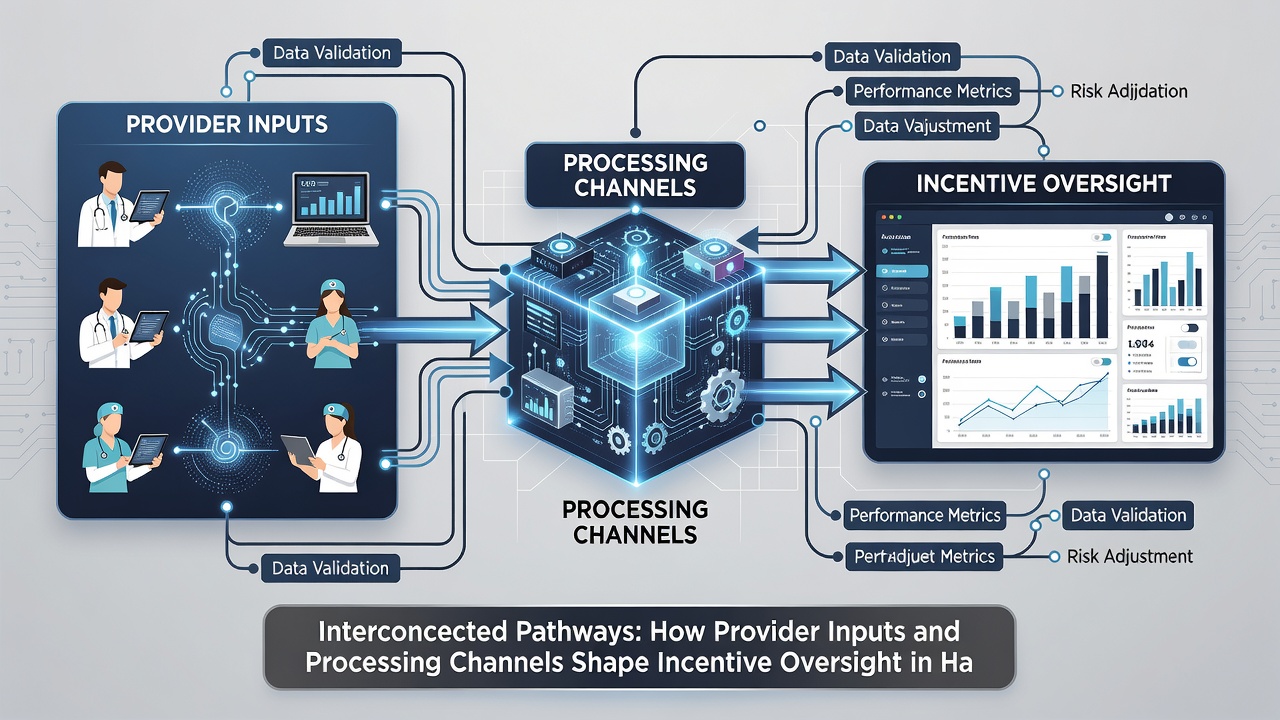
Shaping Incentive Oversight Through Interconnections
Incentive oversight emerges from the continuous exchange between provider inputs and processing channels, where automated checks compare claimed bonuses against actual player behavior data. When discrepancies appear, the system can suspend rewards or generate alerts for manual review by compliance staff. Evidence suggests that real-time synchronization across these pathways supports adherence to responsible gaming parameters such as deposit limits and self-exclusion lists without interrupting gameplay.
Operators in multiple regions utilize these interconnections to generate standardized reports that satisfy requirements from bodies including the New Jersey Division of Gaming Enforcement and state-level gaming commissions. One documented case involved a platform that adjusted its channel routing logic after identifying patterns where certain provider feeds bypassed initial bonus validation steps, leading to revised mapping protocols that improved oversight accuracy.
Technical Considerations in Handheld Environments
Handheld wagering systems operate under constraints of variable network connectivity and device processing power, which influences how provider inputs travel through processing channels. Developers address these factors by deploying edge computing nodes that perform preliminary incentive checks before data reaches centralized servers. Studies from industry research groups show that such distributed validation maintains consistent oversight even when users switch between cellular and Wi-Fi connections.
Security protocols embedded in the channels encrypt sensitive incentive data during transmission, while provider inputs undergo integrity verification through checksum comparisons. These measures collectively reduce the risk of unauthorized modifications to bonus structures and support audit requirements across different regulatory jurisdictions.
Conclusion
The interplay between provider inputs and processing channels establishes the framework through which incentive oversight functions in handheld wagering systems. Continuous data exchange enables platforms to monitor, adjust, and report on promotional activities in accordance with applicable rules. As mobile adoption continues, the technical architecture supporting these pathways remains central to maintaining operational integrity and regulatory compliance across the sector.