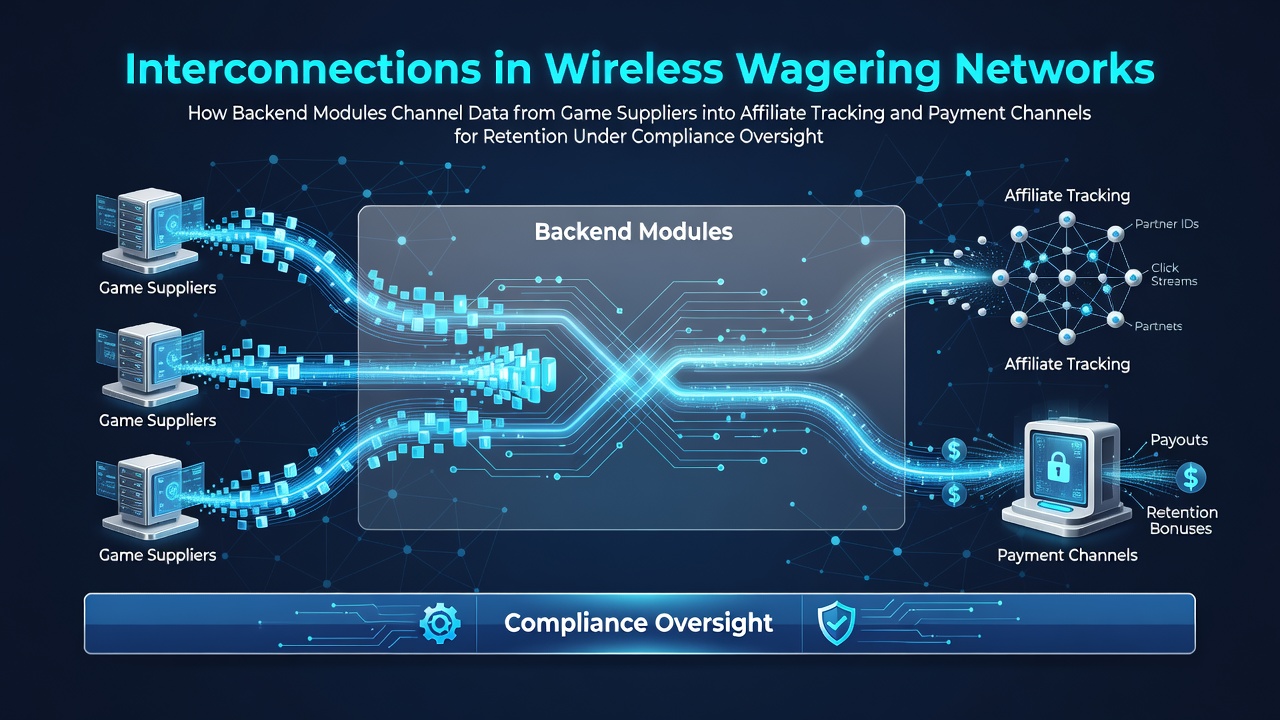
Interconnections in Wireless Wagering Networks: How Backend Modules Channel Data from Game Suppliers into Affiliate Tracking and Payment Channels for Retention Under Compliance Oversight
Wireless wagering networks rely on tightly linked backend modules that move information from game suppliers into affiliate tracking systems and onward to payment processors while compliance teams monitor every step, and in June 2026 operators continue to refine these pathways to support player retention without disrupting regulatory requirements.
Data Pathways from Game Suppliers
Game suppliers transmit real-time feeds that include player activity, session lengths, and outcome statistics directly into central backend modules, and these modules parse the incoming streams before routing relevant segments toward affiliate tracking platforms. Observers note that standardized APIs handle the initial handoff so that each transaction carries identifiers allowing downstream systems to recognize the source supplier without exposing raw player data.
Backend modules apply filtering rules at this stage, and they separate promotional events from core gameplay metrics so that affiliate systems receive only the data points needed for commission calculations. Researchers tracking these processes report that such segmentation reduces latency while preserving the integrity of records required for later audits.
Affiliate Tracking Integration
Affiliate tracking platforms receive filtered data streams and match them against referral codes stored in player profiles, and this matching occurs within milliseconds so that commissions accrue accurately across multiple game suppliers. Modules then log the matched events in immutable ledgers that compliance teams can query without interrupting live operations.
Those who manage these systems explain that the integration layer also tags each referral event with geographic and device indicators, and these tags help payment channels apply the correct tax and currency rules when funds move later. Data from recent implementations shows that accurate tagging correlates with fewer reconciliation disputes between operators and their affiliate partners.
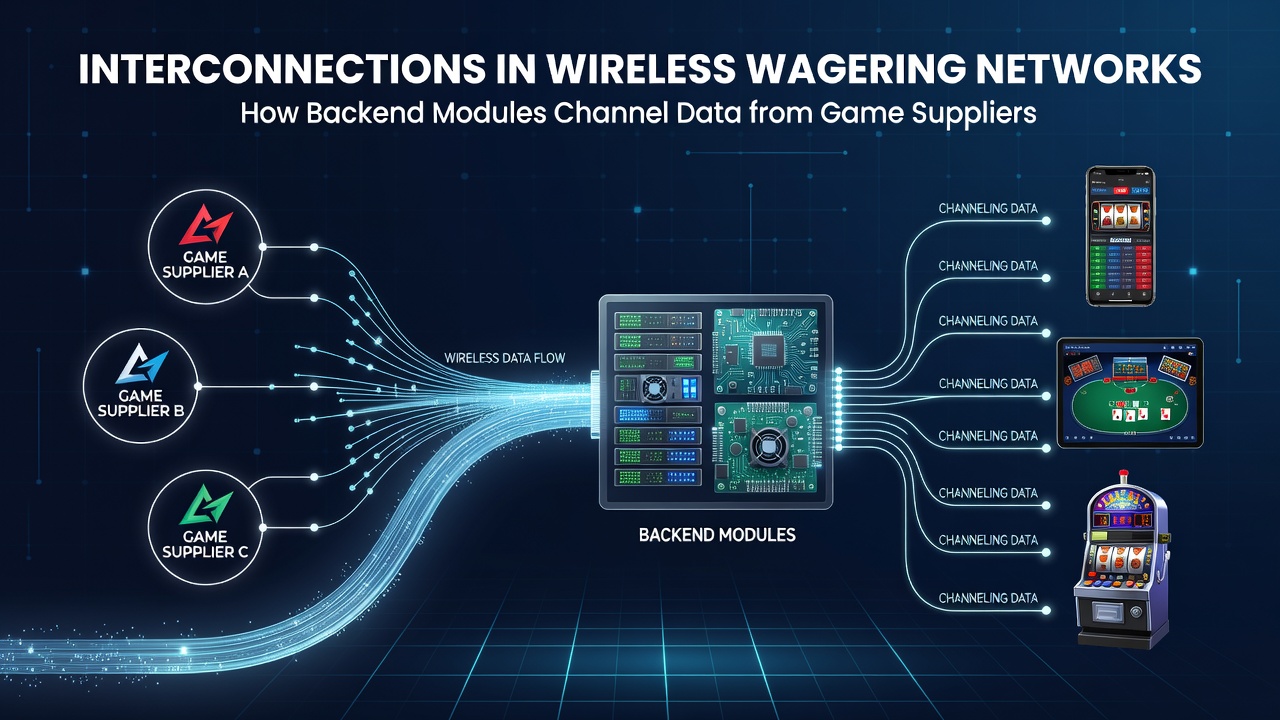
Payment Channel Coordination
Payment channels receive instructions from the same backend modules that feed affiliate systems, and they process deposits, withdrawals, and bonus disbursements while applying retention-focused rules such as loyalty tier adjustments. The channels pull updated player status directly from the affiliate tracking layer so that commission structures and payout schedules remain synchronized.
According to figures released by the Alcohol and Gaming Commission of Ontario, operators using unified backend modules recorded a measurable drop in payment processing errors during the first half of 2026. These modules route payment requests through compliance checkpoints that verify each transaction against responsible gaming limits before funds leave the operator's accounts.
Compliance Oversight Mechanisms
Compliance oversight sits across all data pathways and continuously samples the flows between game suppliers, affiliate trackers, and payment processors. Automated rules flag anomalies such as unusual referral patterns or mismatched identifiers, and human reviewers receive summarized alerts rather than raw logs.
The European Gaming and Betting Association published a 2025 industry report noting that operators who embed compliance checks inside backend modules achieve faster remediation when regulatory queries arise. These embedded checks do not halt data movement but instead create parallel audit trails that regulators can access on demand.
Retention Through Connected Systems
Retention campaigns draw on the same unified data picture that supports affiliate commissions and payment processing, and backend modules surface insights about player preferences that marketing teams use to time personalized offers. Because the data has already passed through compliance filters, operators can launch these offers without creating new regulatory exposure.
Take one network that linked supplier feeds directly to retention triggers: when a player reached a predefined session threshold, the system automatically adjusted bonus eligibility through the payment channel while logging the action for affiliate reporting. Observers tracking similar setups report that such closed-loop automation maintains consistent player engagement levels across multiple suppliers.
Conclusion
Backend modules in wireless wagering networks serve as the central conduit that moves supplier data into affiliate tracking and payment systems while compliance oversight remains active at every junction. The architecture supports retention initiatives by ensuring that each data point used for player offers has already satisfied regulatory checks. As operators expand these interconnections through 2026, the emphasis stays on precise routing, accurate tagging, and parallel audit trails that keep all channels aligned without introducing friction for players or partners.