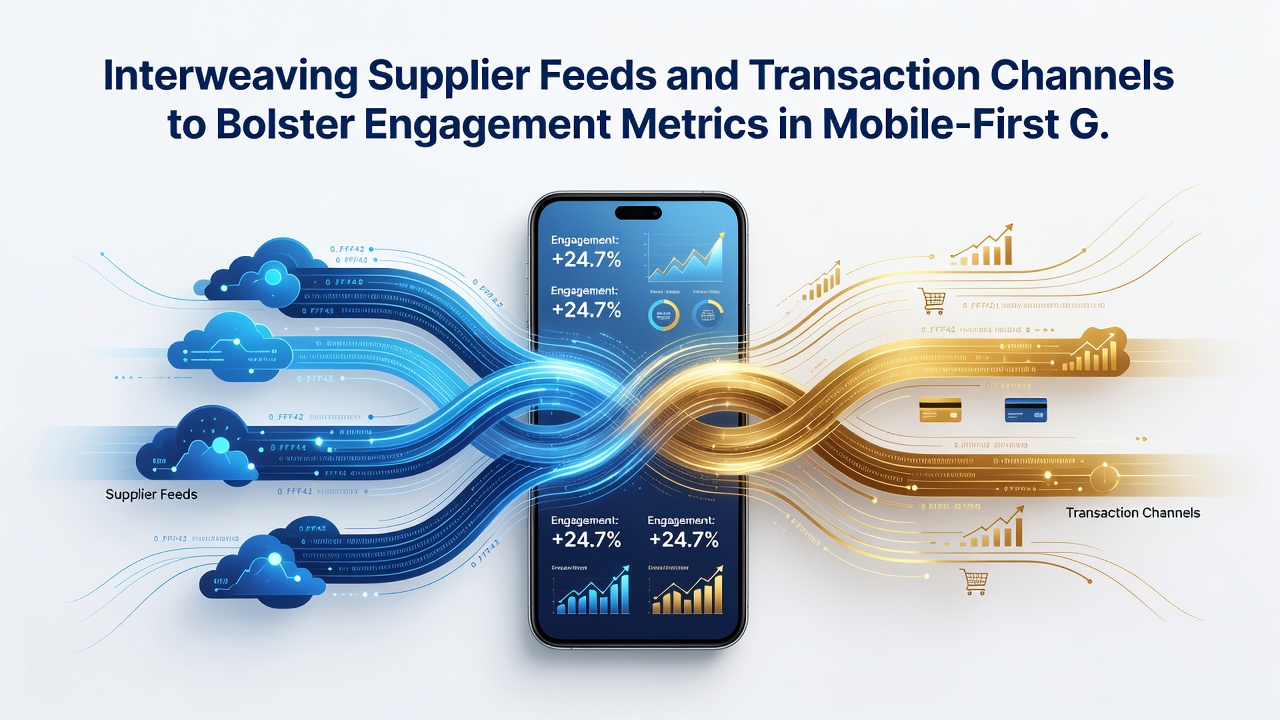
Interweaving Supplier Feeds and Transaction Channels to Bolster Engagement Metrics in Mobile-First Gaming Systems
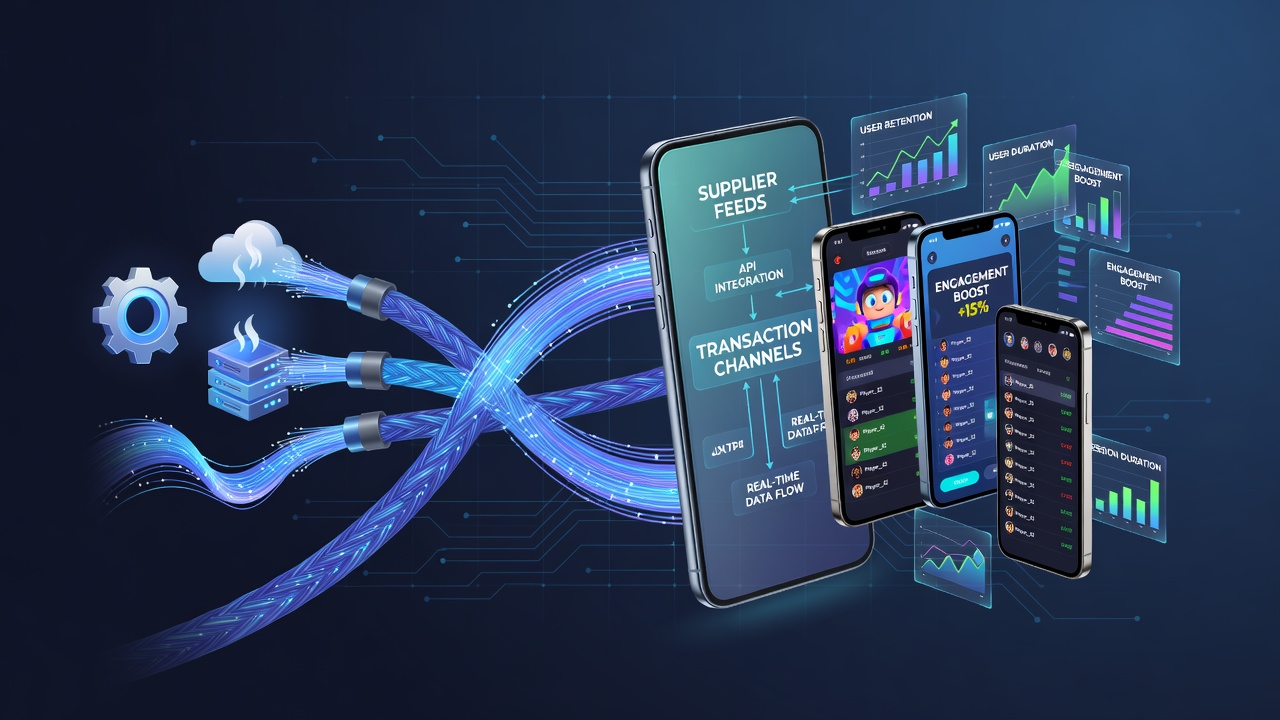
Operators in mobile-first gaming environments have turned their attention toward tighter connections between supplier feeds and transaction channels as a way to lift key engagement metrics. Supplier feeds deliver real-time data on game outcomes, player preferences, and content updates from external providers, while transaction channels handle deposits, withdrawals, bets, and reward distributions. When these streams combine, systems gain the ability to adjust offers and game availability based on live spending patterns and session behavior.
Supplier Feeds in Mobile Gaming Ecosystems
Game providers push feeds that include RTP adjustments, new title releases, and performance analytics directly into operator platforms. These feeds arrive through APIs that update mobile apps within seconds, allowing operators to refresh lobbies without manual intervention. In June 2026, several major platforms reported that automated feed integration reduced content deployment time by 40 percent compared with earlier manual processes. Data from these feeds also informs which titles appear at the top of user interfaces, based on regional popularity and device type.
Researchers at institutions studying digital entertainment note that consistent feed quality matters more than volume. Platforms that filter incoming supplier data for relevance before it reaches the core system see steadier player return rates. One study tracking 18 mobile operators found that filtered feeds correlated with a 12 percent rise in average session length over six months. The same research highlighted that unfiltered feeds sometimes overload servers and create lag on lower-end devices common in emerging markets.
Transaction Channels and Their Data Streams
Transaction channels capture every financial interaction, from micro-deposits to jackpot wins. These channels generate structured logs that include timestamps, amounts, payment methods, and success rates. When operators link these logs with supplier feeds, they create a unified view of how spending aligns with specific game features. For instance, a spike in deposits during a particular slot tournament can trigger the system to increase the visibility of similar titles from the same supplier.
Payment processors and banking partners contribute additional layers through their own APIs. These connections allow instant verification of funds and automatic bonus crediting. Figures released by the European Gaming and Betting Association show that platforms using combined transaction and supplier data processed 28 percent more successful deposits per active user in the first quarter of 2026 than those relying on separate systems. The association's report also noted faster dispute resolution when transaction records and game outcome feeds remained synchronized.
Integration Methods and Technical Approaches
Developers achieve integration through middleware layers that normalize incoming data formats from multiple suppliers and payment gateways. These layers apply rules that match transaction events with corresponding game sessions. A player who deposits during a live dealer session might receive a tailored table limit adjustment pulled directly from the supplier feed. Such matching happens without exposing sensitive financial details to the game provider.
Cloud-based orchestration tools have become standard for handling scale. They manage thousands of concurrent sessions while maintaining low latency across regions. Observers at industry conferences in 2026 pointed out that operators using containerized integration services experienced fewer outages during peak events like major sports betting windows. These services also support A/B testing of engagement tactics by routing subsets of users through different feed and channel configurations.
Effects on Engagement Metrics
Combined data streams support more precise segmentation. Operators can identify players who respond to specific bonus structures tied to particular game types and adjust offers accordingly. Metrics such as daily active users, time on device, and repeat deposit frequency show measurable movement when systems respond in real time. One North American operator documented a 19 percent increase in seven-day retention after implementing feed-transaction synchronization in early 2026.
Conversion rates from free-to-paid play also improve. When a supplier feed signals a new progressive jackpot, the system can surface it to users whose recent transaction history indicates higher spend thresholds. This targeted presentation reduces irrelevant notifications that might otherwise prompt users to disable push alerts. Data collected across multiple jurisdictions indicates that notification relevance directly affects opt-in rates for marketing messages.
Regulatory and Security Considerations
Compliance frameworks require clear separation between financial transaction records and game outcome data even when they flow through shared pipelines. Auditors examine these pathways to confirm that player funds remain protected and that game fairness reporting stays independent. Regulators in several Canadian provinces have issued guidance requiring operators to maintain audit logs that trace every data handoff between supplier systems and payment processors.
Security protocols encrypt both feed and transaction data in transit and at rest. Tokenization of payment details further limits exposure when supplier networks require access to engagement signals. These measures align with standards promoted by international gaming technology associations that publish annual best-practice documents for mobile platforms.
Conclusion
Platforms that maintain synchronized supplier feeds and transaction channels gain operational visibility into how content and spending interact. This visibility supports ongoing refinements to engagement tactics without requiring separate analytics projects for each data source. As mobile gaming continues to expand, the technical capacity to merge these streams has shifted from optional enhancement to standard infrastructure requirement across multiple markets.