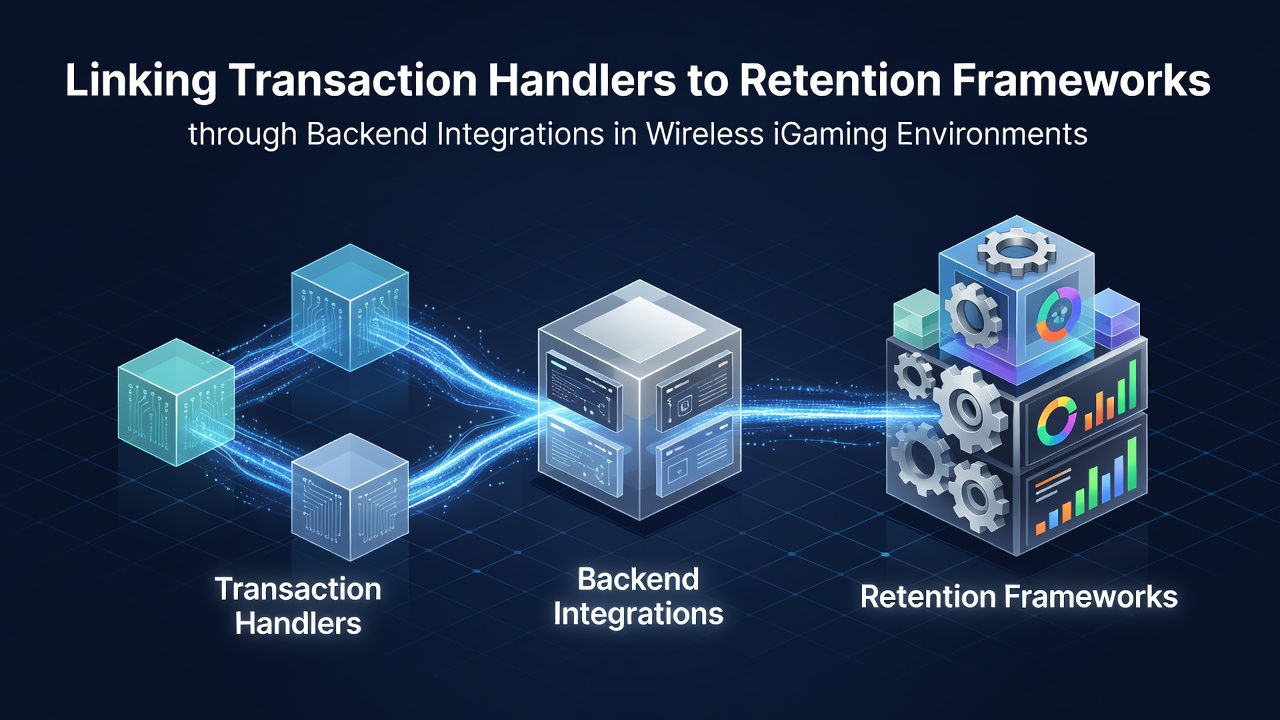
Linking transaction handlers to retention frameworks through backend integrations in wireless iGaming environments
Operators in wireless iGaming environments connect transaction handlers directly to retention frameworks through backend integrations that process payment data alongside player activity metrics. These connections allow real-time updates to loyalty profiles, bonus allocations, and churn prediction models as deposits and withdrawals occur across mobile devices. Data flows from mobile wallets and payment processors into centralized systems that apply retention rules without requiring separate manual interventions. Transaction handlers manage authorization, settlement, and reconciliation for deposits, withdrawals, and in-game purchases while retention frameworks track lifetime value, session frequency, and engagement scores. Backend integrations use APIs and event-driven architectures to synchronize these functions so that a completed deposit immediately triggers eligibility checks for personalized offers. Systems built on microservices separate concerns yet share data lakes that store anonymized transaction histories alongside behavioral logs.Core Components of the Integration Layer
Backend platforms employ middleware layers that translate transaction events into retention triggers. A deposit of a specific amount routes through rule engines that evaluate player segments before updating bonus wallets or sending push notifications. These layers operate on cloud infrastructure optimized for low-latency responses suitable for wireless networks where packet loss and variable signal strength occur frequently.
Developers implement idempotent transaction logs to prevent duplicate retention actions during network retries. Event sourcing records every state change so audits can reconstruct how a single mobile payment influenced a retention outcome weeks later. Security protocols encrypt sensitive fields at rest and in transit while compliance modules apply jurisdictional limits on bonus issuance tied to verified transactions.
Data Pathways and Synchronization Mechanisms
Wireless iGaming environments transmit transaction data through secure sockets and WebSocket connections that maintain persistent channels between mobile clients and backend clusters. Retention frameworks subscribe to these streams and apply machine learning models trained on historical patterns to forecast which players require intervention. Models update continuously as new transaction records arrive, adjusting risk scores and offer values accordingly.
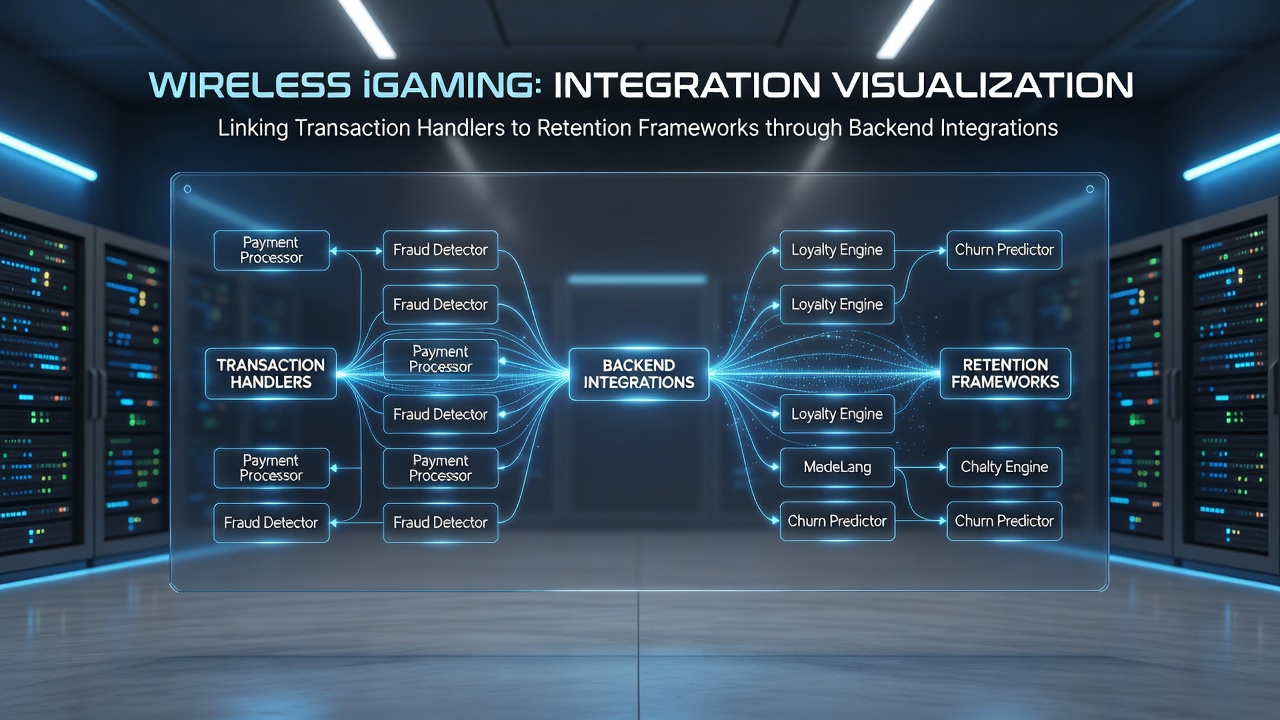
Integration points include payment gateway callbacks, internal ledger updates, and player management databases. Each point exposes standardized schemas that allow retention logic to query current balances and recent activity without polling entire datasets. Batch jobs run nightly to reconcile discrepancies that arise from partial mobile sessions or interrupted connections.
Regulatory and Compliance Considerations
Regulatory bodies require traceable links between financial transactions and promotional activities to prevent money laundering and ensure responsible gaming controls function correctly. Integrations embed audit trails that record every retention action alongside its triggering transaction identifier. As of July 2026, several North American and European jurisdictions have updated reporting standards that mandate granular transaction-to-bonus mapping within operator submissions.
Operators align these systems with frameworks from the American Gaming Association and the Canadian Gaming Association to maintain consistent compliance across borders. Automated checks flag transactions exceeding thresholds and pause associated retention campaigns until manual review completes.
Implementation Patterns Observed Across Operators
Multiple platform providers deploy event buses such as Apache Kafka or cloud-native equivalents to decouple transaction processing from retention calculations. This separation permits independent scaling during peak mobile traffic periods while preserving data consistency through exactly-once delivery guarantees. Retention services consume compacted topics that retain only the latest state for each player identifier.
Case implementations show integration timelines ranging from three to nine months depending on legacy system complexity and the number of payment methods supported. Teams conduct phased rollouts that begin with deposit-triggered welcome bonuses before expanding to withdrawal-based loyalty adjustments and session-based win-back campaigns.
Performance Metrics and Monitoring
Monitoring dashboards track end-to-end latency from transaction authorization to retention action completion, with targets under 500 milliseconds for most wireless scenarios. Error rates, duplicate event counts, and reconciliation mismatches appear in operational reports reviewed daily. Observers note that operators who maintain these metrics within defined bounds report steadier player lifetime values across mobile cohorts.
Conclusion
Backend integrations that link transaction handlers to retention frameworks enable wireless iGaming operators to respond dynamically to player financial activity. These connections rely on standardized data flows, event-driven architectures, and regulatory-compliant audit mechanisms that together support scalable player management across mobile environments. Continued refinement of these systems aligns with evolving standards from industry associations and regional authorities.