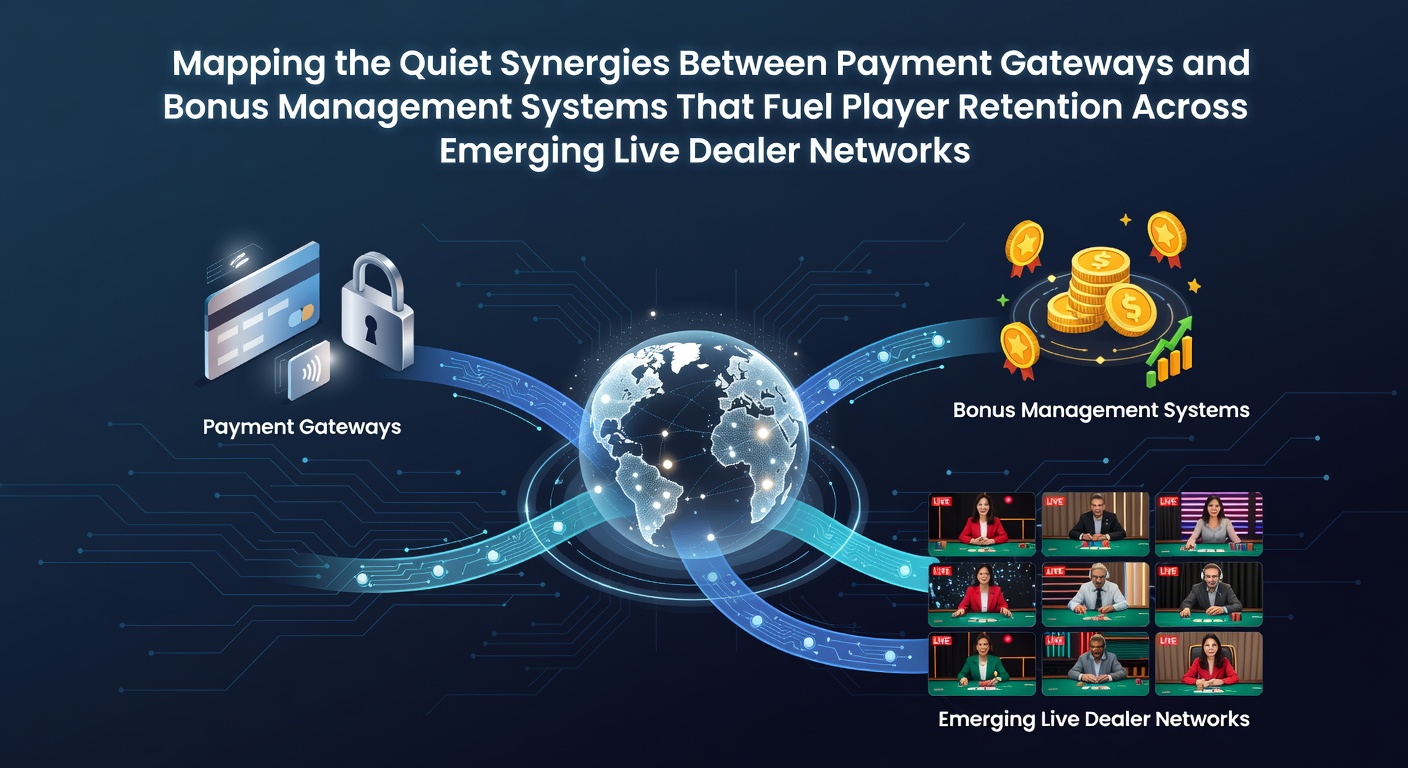
Mapping the Quiet Synergies Between Payment Gateways and Bonus Management Systems That Fuel Player Retention Across Emerging Live Dealer Networks
Data from mid-2026 shows that payment gateways and bonus management platforms now operate as tightly linked components in live dealer ecosystems, where instant transaction processing directly triggers personalized rewards that keep participants engaged during real-time table sessions. Observers note that this integration allows operators in emerging markets to reduce friction between deposits and gameplay, creating continuous cycles of activity across mobile and desktop interfaces.
How Payment Processing Supports Bonus Activation
Payment gateways handle the flow of funds while bonus management systems monitor those same transactions for eligibility triggers, and when a deposit clears in under three seconds the bonus engine can apply multipliers or cashback without requiring players to navigate separate menus. Researchers at several European gaming institutes have documented that networks using this synchronized approach recorded higher session durations in the first half of 2026 compared with platforms that processed bonuses manually.
Live dealer studios benefit because dealers and floor managers receive updated player status feeds that reflect both account balances and active promotions, so table-side interactions feel more tailored. Industry reports indicate that seamless data exchange between these systems cuts down on support tickets related to missing rewards, freeing staff to focus on game integrity and regulatory compliance.
Retention Patterns in Expanding Live Dealer Markets
Emerging live dealer networks in Latin America and Southeast Asia have adopted unified platforms that link local payment rails with global bonus engines, allowing operators to offer region-specific incentives such as instant deposit matches or loyalty points tied directly to table play. Figures released in June 2026 by regional gaming associations reveal that retention rates climbed when bonus credits appeared within the same interface as the live stream rather than in a separate account dashboard.
One study from an Australian research center examined how payment speed influenced repeat visits, finding that networks with sub-second authorization times paired with automated bonus distribution retained participants longer across weekly play cycles. Those who've tracked these metrics point out that the combination reduces drop-off during the critical window after the first deposit when many new users decide whether to continue.
Technical Connections Behind the Scenes
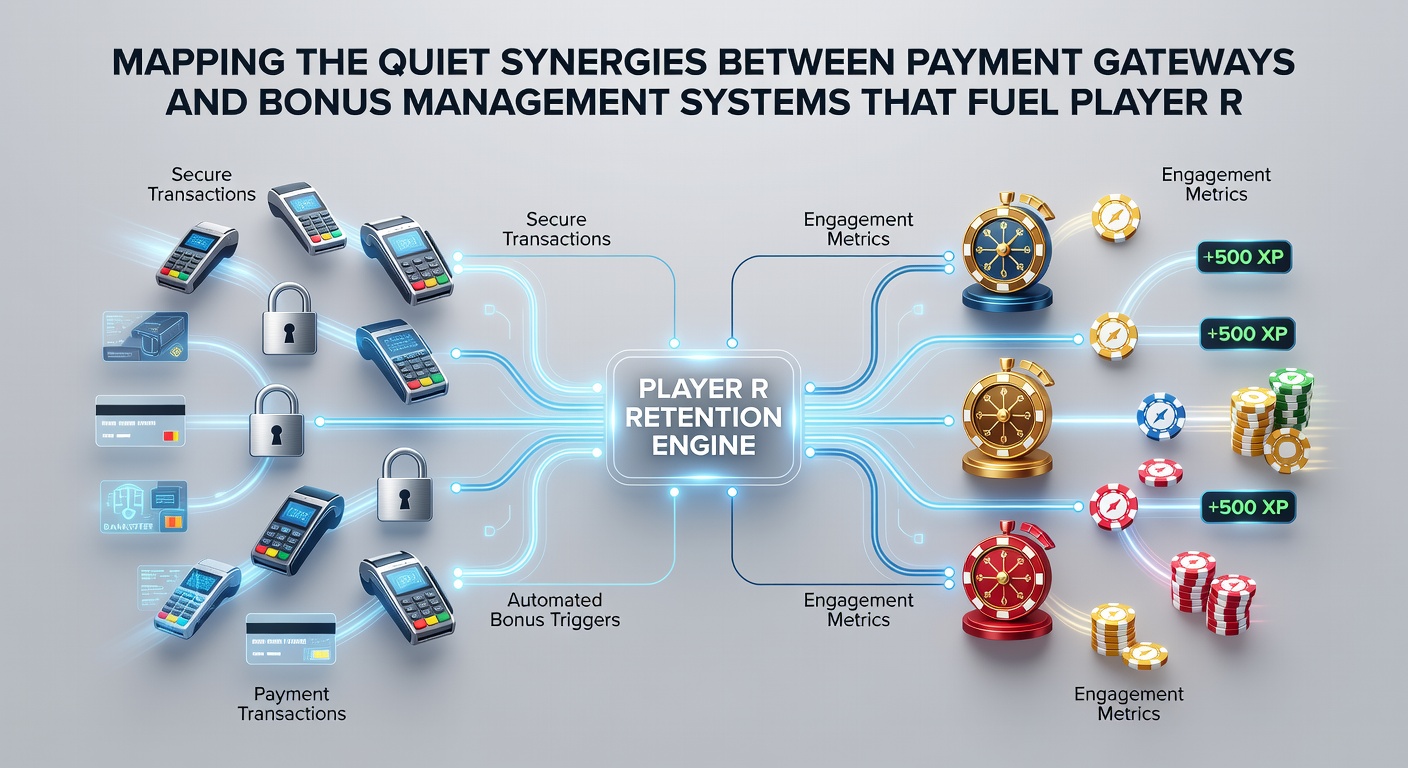
Application programming interfaces allow payment providers to push transaction metadata straight into bonus engines, where rules engines evaluate criteria such as deposit amount, frequency, and game type before issuing rewards in real time. This architecture supports dynamic campaigns that adjust offers based on live table performance, for instance granting extra chips when a player reaches a certain number of hands in blackjack or roulette during peak hours.
Security protocols ensure that the same encryption layers protecting fund transfers also safeguard bonus allocation logs, satisfying audit requirements from multiple jurisdictions. According to documentation shared by the European Gaming and Betting Association, operators that maintain synchronized audit trails across both systems experience faster regulatory reviews and fewer compliance delays.
Market Data and Operational Outcomes
Statistics compiled by North American industry groups in early 2026 showed that platforms combining instant payment processing with responsive bonus management achieved measurable lifts in average revenue per user within live dealer verticals. These gains appeared most pronounced among networks entering new territories where player acquisition costs remain high and retention hinges on immediate value delivery.
Take one operator group that integrated its chosen payment gateway with an adaptive bonus platform; session data indicated players who received triggered rewards during their first live dealer experience returned at rates above the network average over the following month. Similar patterns surfaced in reports from Canadian provincial regulators tracking online table game activity.
Future Integration Directions
Developers continue refining how payment status updates influence bonus eligibility during extended live sessions, exploring options such as real-time loyalty tier upgrades triggered by cumulative table bets settled through the same gateway. Academic papers from several universities have begun modeling these interactions to predict long-term retention curves under varying transaction speeds and reward structures.
Observers note that as more jurisdictions authorize live dealer operations, the demand for tightly coupled systems grows because fragmented payment and bonus workflows create friction that emerging networks can ill afford. Data shared at industry gatherings throughout 2026 consistently highlighted reduced player churn when the two layers communicate without manual intervention.
Conclusion
Payment gateways and bonus management systems now form an operational backbone that supports player continuity across live dealer environments, with transaction data flowing directly into reward engines to maintain engagement momentum. Evidence collected through mid-2026 demonstrates that operators prioritizing these connections record stronger retention metrics, particularly in markets where live table gaming is still gaining traction. The pattern holds across multiple regions because synchronized processing removes barriers between funding an account and experiencing immediate value at the tables.