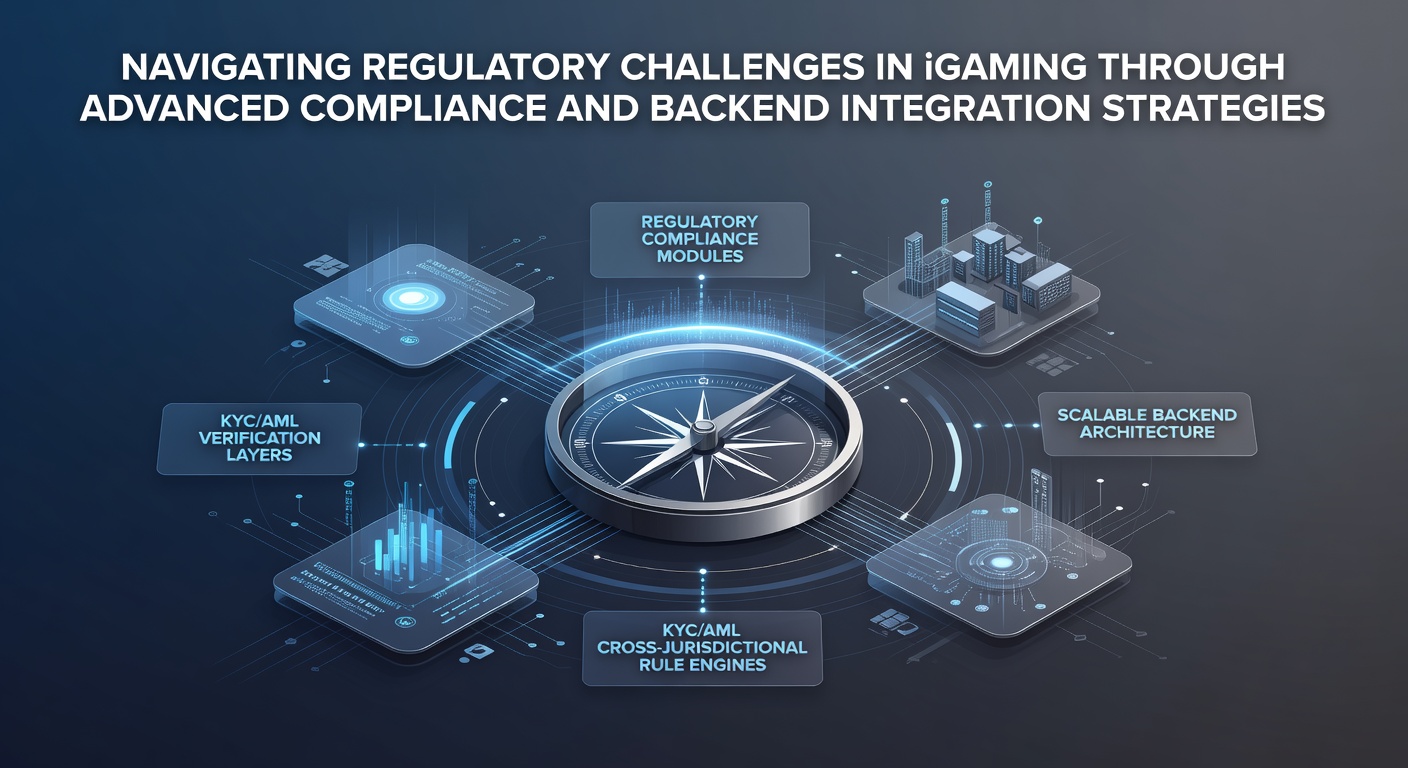
Navigating Regulatory Challenges in iGaming Through Advanced Compliance and Backend Integration Strategies
The iGaming sector continues to expand rapidly across multiple jurisdictions, yet operators face mounting pressure from evolving rules on player protection, data privacy, and financial reporting. Research indicates that fragmented regulations create operational hurdles, especially when platforms must adapt to real-time oversight requirements without disrupting service delivery. Data from industry reports show that companies investing in unified systems often achieve smoother transitions during audits and license renewals.
Current Regulatory Pressures Facing iGaming Operators
Operators encounter a patchwork of standards that differ sharply by region, with requirements for age verification, anti-money laundering protocols, and responsible gaming measures tightening each year. In May 2026 several North American states introduced enhanced reporting mandates that demand instantaneous transaction logging, while European frameworks continue to emphasize cross-border data sharing. Observers note that these shifts force platforms to maintain separate compliance layers unless backend systems consolidate the processes into a single workflow.
Take one jurisdiction where regulators updated their technical standards mid-2025; firms without integrated monitoring tools reported delays in license approvals that lasted several weeks. Those who've studied compliance trends know that proactive adoption of automated checks reduces such bottlenecks, as the systems flag anomalies before they reach manual review stages.
Advanced Compliance Tools and Their Role
Modern compliance suites now incorporate machine learning models that scan user behavior patterns against known risk profiles, allowing operators to adjust verification thresholds dynamically. Evidence suggests these tools cut false positives in identity checks by substantial margins, freeing staff to focus on complex cases rather than routine screening. Backend integration plays a key part here, since the same data feeds feed both the compliance engine and the core gaming ledger without requiring duplicate entry points.
What's interesting is how these platforms handle multi-jurisdiction play; a single player account can trigger different rule sets depending on location signals detected at login. Researchers discovered that seamless API connections between geolocation services and account management modules prevent inadvertent access violations that previously led to fines.
Backend Integration Strategies for Seamless Operations
Successful operators treat backend architecture as the foundation for regulatory resilience rather than an afterthought. By linking player databases directly to reporting portals, companies generate the detailed logs demanded by oversight bodies without manual compilation. This approach proves especially useful during surprise inspections, when authorities expect immediate access to historical records spanning months or years.
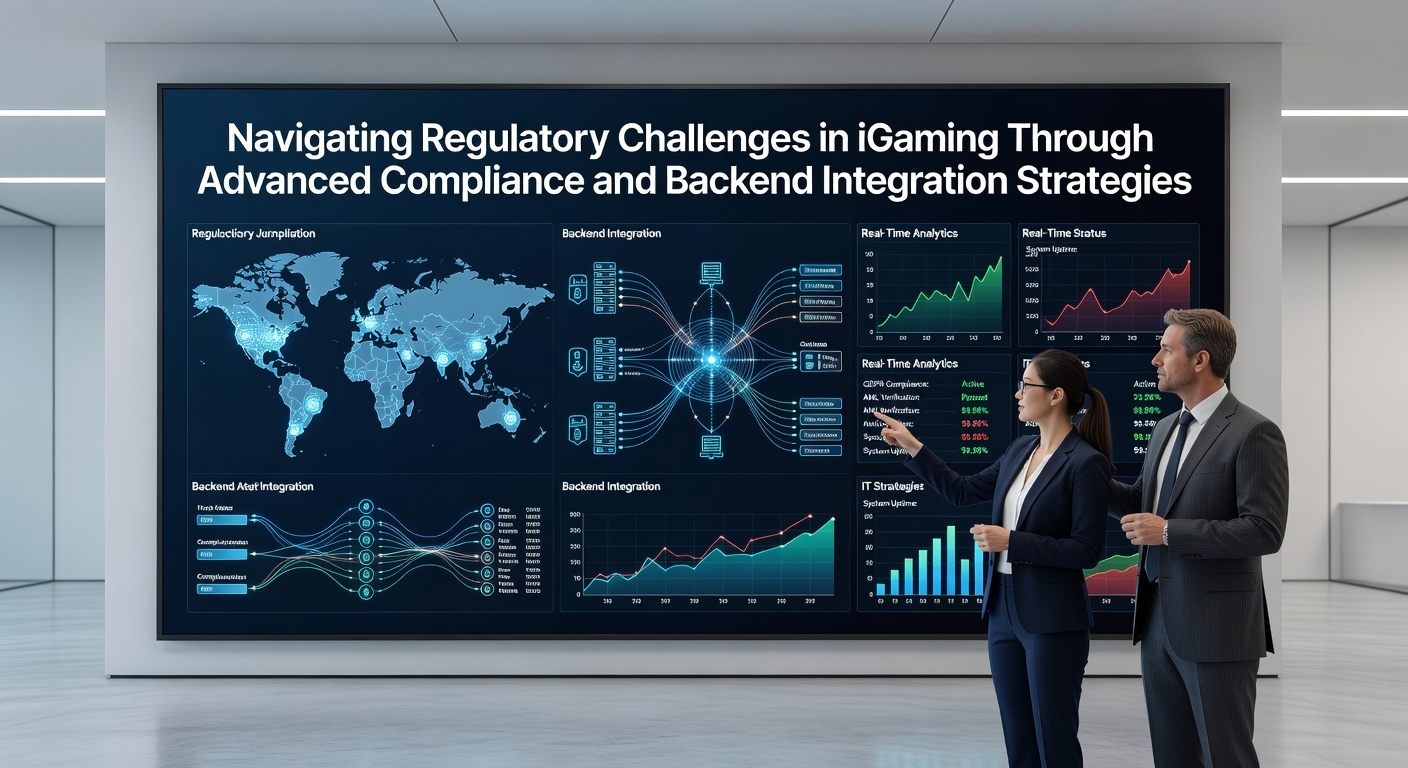
One study revealed that platforms using modular microservices scaled their compliance features faster when new rules emerged, because updates could target isolated components instead of entire codebases. Data shows that such designs also improve uptime during high-volume periods like major sporting events, since regulatory processes run parallel to gameplay traffic rather than competing for resources.
Examples from Recent Implementations
Consider operators active in both Canadian provincial markets and select U.S. states; they often deploy centralized dashboards that aggregate metrics required by each authority into unified views. According to figures from regulatory filings, these integrated setups shortened the time needed to produce quarterly reports from days to hours. Industry associations tracking similar rollouts report fewer compliance incidents when real-time alerts notify teams of threshold breaches before they escalate.
Another case involved a European-facing platform that synchronized its bonus tracking system with responsible gaming tools, ensuring automatic session limits applied across all game types. The result was consistent adherence to varying session-time caps without players noticing interruptions at the frontend.
Looking Ahead to Mid-2026 Developments
With new licensing rounds scheduled in several markets during May 2026, operators who have already aligned their backend layers with anticipated technical standards stand better positioned for swift approvals. External sources such as Michigan Gaming Control Board guidelines highlight the growing expectation that platforms demonstrate end-to-end data traceability during application reviews. Meanwhile, reports from the American Gaming Association underscore how integrated systems correlate with higher renewal success rates across multiple jurisdictions.
Conclusion
Regulatory navigation in iGaming increasingly hinges on the quality of underlying technology rather than isolated policy adjustments. Advanced compliance frameworks combined with robust backend integration enable operators to meet diverse obligations while maintaining operational continuity. As frameworks continue to evolve, those maintaining flexible, well-connected systems appear equipped to handle emerging requirements without repeated overhauls.