Regulatory Alignment in Mobile Casinos Through Unified Content and Activity Data Systems
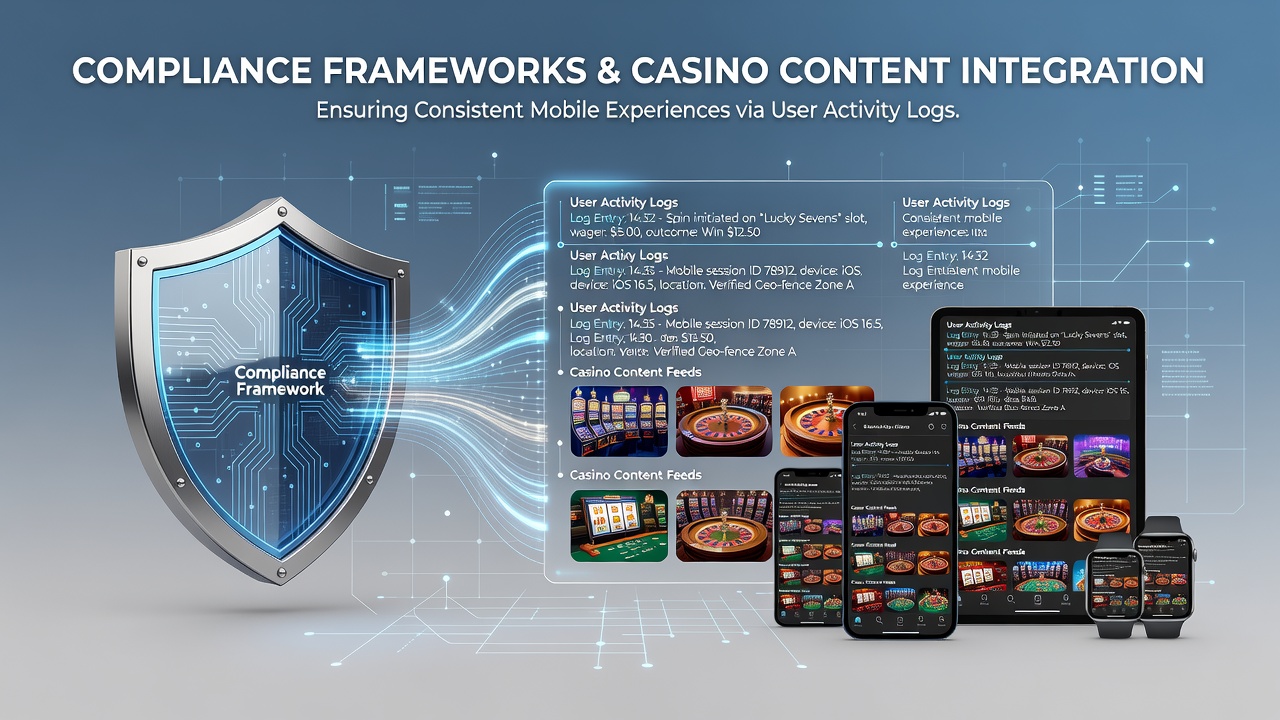
Operators in the igaming sector rely on compliance frameworks that connect casino content feeds directly with user activity logs to deliver uniform experiences across mobile platforms, and these systems operate under strict regulatory requirements that vary by jurisdiction. Data from multiple sources shows that such integrations allow real-time monitoring of game delivery alongside player behavior patterns, which supports consistent content presentation while meeting oversight standards set by bodies like the New Jersey Division of Gaming Enforcement.
Core Elements of Integrated Compliance Structures
Casino content feeds supply live updates on game outcomes, bonus triggers, and promotional materials, while user activity logs record session durations, wager amounts, and navigation paths on mobile devices, and when these streams merge within a single compliance layer the resulting architecture enables automated checks for regulatory adherence without disrupting gameplay flow. Observers note that this fusion reduces discrepancies between what players see on their screens and what backend records capture, particularly as mobile traffic accounts for growing shares of overall engagement in markets tracked through 2026.
Frameworks often incorporate API gateways that standardize data exchange between third-party game providers and internal logging systems, and these gateways enforce encryption protocols alongside audit trails that satisfy reporting obligations in regions including parts of the United States and Australia. Research from industry associations indicates that operators deploying such setups in August 2026 have documented fewer interruptions during cross-border play sessions compared with earlier fragmented approaches.
Technical Pathways Supporting Mobile Consistency
Backend modules pull content feeds through secure channels that timestamp every update, then cross-reference those timestamps against entries in user activity logs to verify that delivered games match recorded interactions, and this process runs continuously to flag any mismatches that could signal compliance gaps. Engineers at several platforms have implemented rule-based engines that apply jurisdiction-specific filters, such as age verification triggers or spending limit alerts, directly within the data pipeline so mobile users encounter the same safeguards regardless of device location.

Cloud-based orchestration tools further synchronize these elements by routing logs through centralized compliance dashboards, and the approach allows operators to generate reports for regulators on demand without manual data aggregation. Figures from the Australian Communications and Media Authority reveal that platforms using integrated logging recorded higher rates of automated compliance certification during the first half of 2026, particularly for live dealer offerings accessed via smartphones and tablets.
Operational Benefits Observed Across Jurisdictions
Unified systems deliver the same game mechanics and promotional logic to users on iOS and Android environments alike, because content feeds remain synchronized with activity records that track device type alongside behavioral metrics, and this synchronization supports features like session time reminders or responsible gaming prompts that activate consistently. Those who manage multi-state operations report that the combined data streams simplify adherence to varying rulesets, such as those enforced by state gaming commissions in the US, by embedding regulatory parameters at the feed level rather than applying them after the fact.
Case examples from platforms operating in regulated North American markets demonstrate how activity log integration helps isolate regional restrictions on certain content types, ensuring that mobile experiences adapt automatically when users cross virtual boundaries. Data streams from these setups feed into analytics layers that highlight patterns requiring regulatory attention, which in turn informs updates to the compliance rulesets without requiring separate code deployments for each mobile operating system.
Future Developments in Data-Driven Oversight
Emerging standards emphasize greater interoperability between content providers and logging infrastructure, and industry reports from organizations such as the European Gaming and Betting Association point to ongoing pilots that test blockchain-assisted verification of feed-to-log linkages. These trials focus on maintaining audit integrity while scaling to higher volumes of mobile sessions projected for late 2026 and beyond.
Conclusion
Compliance frameworks that integrate casino content feeds with user activity logs continue to shape how operators maintain consistent mobile experiences under regulatory scrutiny, and the technical connections between these elements provide the foundation for scalable oversight across diverse markets. As platforms refine these integrations, the emphasis remains on real-time data alignment that meets the demands of both players and oversight bodies without introducing friction into daily operations.