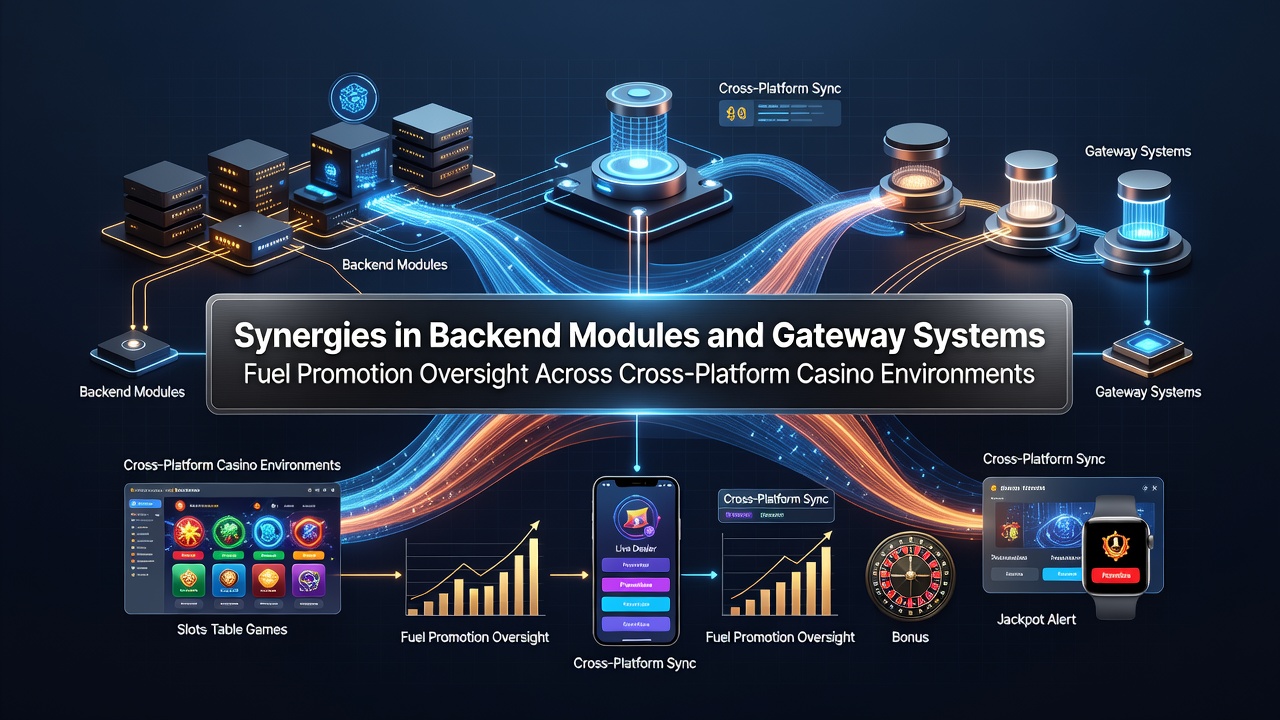
Synergies in Backend Modules and Gateway Systems Fuel Promotion Oversight Across Cross-Platform Casino Environments
Backend modules in casino operations connect player accounts, bonus rules, and transaction records into unified databases that feed directly into gateway systems for real-time validation, and these connections allow operators to apply consistent promotion limits whether users access games through desktop browsers, mobile applications, or integrated terminal networks at physical locations. Data streams from game providers move into central modules that track wagering contributions, while gateway processors handle deposit and withdrawal flows that trigger or restrict promotional credits based on predefined thresholds.
August 2026 figures from multiple jurisdictions show continued expansion in cross-platform play volumes, with operators reporting that integrated backend and gateway setups reduce instances of bonus misuse by linking verification steps across channels. Modules maintain records of player activity segments, and gateways enforce those records during each transaction attempt so that a promotion activated on one device cannot exceed caps when attempted on another.
Module and Gateway Integration Patterns
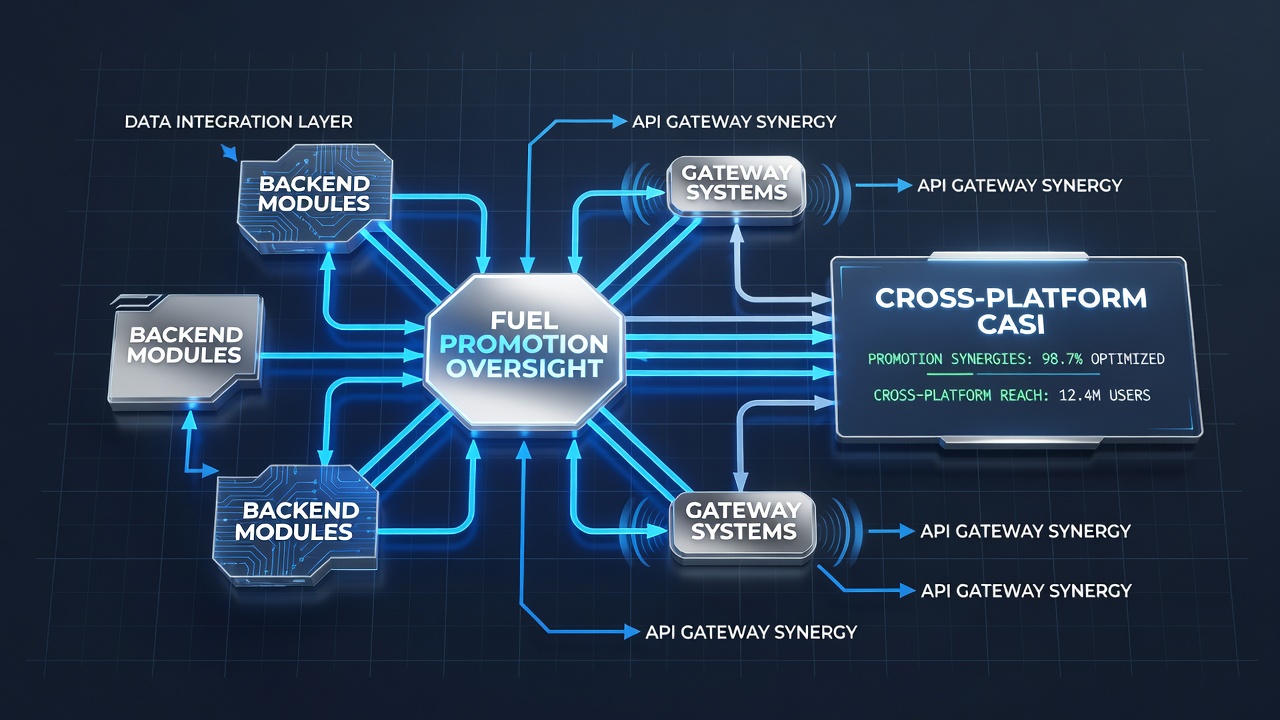
Core operational modules store promotion parameters such as deposit match percentages, free spin allocations, and cashback tiers, then expose application programming interfaces that gateway systems query before completing any fund movement. This architecture supports simultaneous enforcement across environments because the same rule set applies regardless of access point. Payment gateways receive updated player status flags from the modules, allowing instant approval or denial of promotional redemptions while maintaining audit trails for regulatory review.
One documented case involves a North American operator that synchronized its loyalty module with multiple gateway providers, resulting in automated flagging of accounts that attempted to cycle bonuses across mobile and web sessions within short time windows. The setup relies on shared identifiers rather than device-specific tracking alone, which maintains continuity even when users switch platforms mid-session.
Promotion Oversight Across Platforms
Cross-platform environments require that promotional eligibility checks reference unified player histories instead of isolated session data. Backend modules compile activity from all sources into single profiles, and gateway systems validate those profiles at the point of transaction. This approach prevents duplicate claims that might otherwise occur when separate systems fail to communicate, while also supporting jurisdiction-specific rules that differ by region or licensing authority.
Regulatory bodies in several Canadian provinces and Australian states have issued guidance that emphasizes the need for such linkages, noting that fragmented systems increase compliance risk when promotions span multiple delivery channels. Operators respond by routing all promotional triggers through centralized modules that gateway processors must consult before releasing funds or game credits.
Data Pathways and Compliance Alignment
Transaction channels carry not only monetary values but also metadata tags that modules use to calculate contribution toward promotion requirements. Gateways return confirmation messages that update module records in real time, creating closed-loop oversight. This pattern appears in reports from the European Gaming and Betting Association, which documented rising adoption of these coordinated systems among operators managing multi-jurisdictional portfolios during 2025 and into 2026.
Industry analyses from sources such as the University of Nevada, Las Vegas International Gaming Institute further indicate that operators achieve higher retention consistency when promotion rules remain identical across platforms because players encounter predictable mechanics regardless of device. The backend-gateway connection supplies the mechanism for that consistency by enforcing identical calculations on every transaction request.
Technical and Operational Outcomes
Systems built on these synergies process high volumes of concurrent requests without introducing delays in promotion application or fund movement. Modules handle the logic layer while gateways manage the execution layer, and their interaction occurs through standardized message formats that accommodate updates to promotion parameters without requiring changes to payment infrastructure. Observers note that this separation of concerns simplifies maintenance when new game types or regional rules enter the environment.
Additional case examples from operators in Malta and selected Asian markets illustrate how gateway logs feed back into modules to generate compliance reports automatically, reducing manual reconciliation workloads. The result appears in operational metrics that track both promotion uptake rates and instances of rule violations across all connected platforms.
Conclusion
Backend modules and gateway systems together create the infrastructure that sustains promotion oversight in environments where players move freely among devices and venues. Their documented linkages support rule enforcement, audit readiness, and consistent player experiences while accommodating growth in cross-platform participation recorded through mid-2026. Continued refinement of these connections aligns operational processes with evolving regulatory expectations across multiple licensing regions.