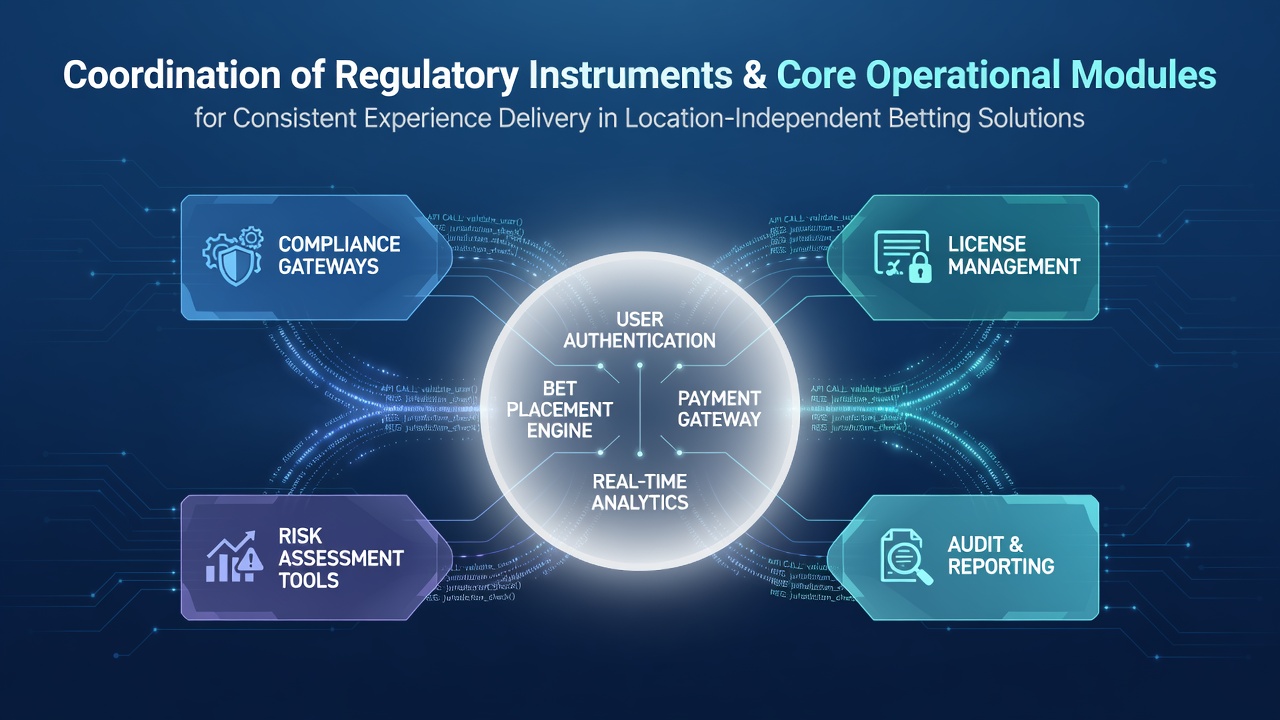
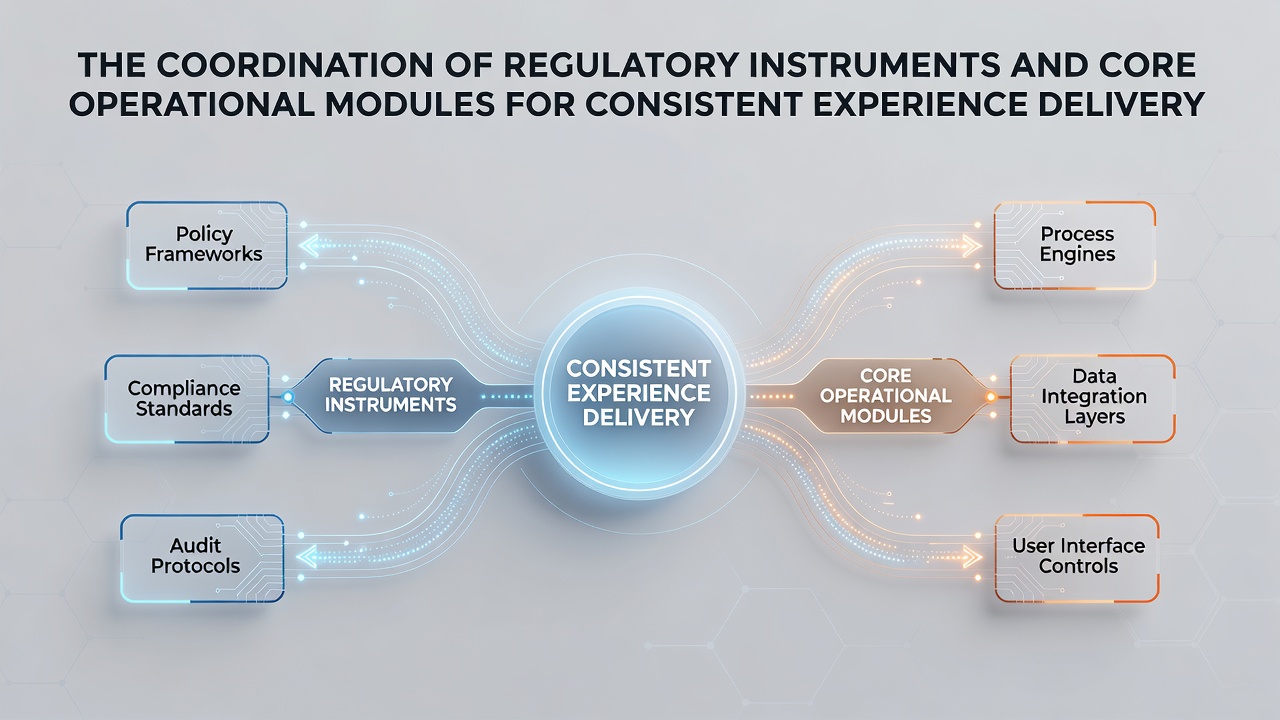
The Coordination of Regulatory Instruments and Core Operational Modules for Consistent Experience Delivery in Location-Independent Betting Solutions
Regulatory instruments and operational modules work together in location-independent betting solutions to maintain consistent player experiences across multiple jurisdictions, and this coordination has gained attention as operators expand digital offerings in 2026. Systems must align licensing requirements, compliance checks, and technical protocols so that users encounter the same interface, payment flows, and game access whether they connect from home, while traveling, or across borders.
Regulatory Instruments Shaping Cross-Border Operations
Authorities in various regions establish rules that cover licensing, player verification, and transaction monitoring, yet these frameworks differ in detail and emphasis. Operators integrate these instruments into centralized compliance engines that automatically apply jurisdiction-specific filters without disrupting core platform functions. Data from industry analyses indicates that synchronized regulatory inputs reduce processing delays during cross-border sessions, allowing seamless transitions between markets.
European regulatory bodies and North American state commissions publish updated guidelines periodically, and platforms that map these changes into modular rule sets maintain uninterrupted service. One documented approach involves embedding regulatory parameters directly into player account modules so that location detection triggers the correct set of restrictions and disclosures in real time.
Core Operational Modules Enabling Uniform Delivery
Player management systems, payment gateways, game engines, and reporting dashboards form the primary modules that support location-independent betting. Each module operates with standardized data exchange protocols that accept inputs from regulatory instruments, ensuring that features such as bonus eligibility, deposit limits, and session timeouts adjust automatically based on detected jurisdiction. Research from technology integration studies shows that modular architectures permit independent updates to individual components while preserving overall system coherence.
Payment processing modules, for example, incorporate currency conversion rules alongside anti-money laundering checks drawn from multiple regulatory sources, and this setup prevents transaction interruptions when users move between regions. Game delivery modules similarly reference certified libraries that comply with local technical standards, delivering identical user interfaces regardless of access point.
Integration Strategies for Regulatory and Operational Alignment
API-driven connections link regulatory databases to operational modules, allowing real-time synchronization of rules and parameters. Middleware layers translate regulatory language into executable code that modules can apply without manual intervention, and this translation reduces errors that arise from mismatched interpretations. Observers note that successful implementations rely on version-controlled rule repositories that track changes across jurisdictions and propagate updates instantly.
Testing environments replicate multi-jurisdiction scenarios before live deployment, verifying that coordinated changes produce expected outcomes across all modules. Operators who maintain audit trails of these integrations demonstrate clearer compliance records during regulatory reviews, according to reports issued by the National Council on Problem Gambling in mid-2026.
Developments Observed in June 2026
Platform providers reported increased adoption of unified compliance dashboards that aggregate regulatory feeds from several continents, and figures from the European Gaming and Betting Association highlighted measurable reductions in session drop-offs after such dashboards entered wider use. These dashboards pull data on licensing status, responsible gambling flags, and transaction thresholds, then route the information directly into player management and payment modules for immediate application.
Case examples from operators active in both Canadian provincial markets and Australian state frameworks illustrate how coordinated modules handle differing age verification standards and advertising restrictions without requiring separate code branches for each region. The result appears in consistent login sequences, personalized limit settings, and uninterrupted game access for eligible players.
Conclusion
Coordination between regulatory instruments and operational modules continues to underpin reliable performance in location-independent betting environments. As platforms scale across more jurisdictions, the emphasis remains on standardized data flows, automated rule application, and modular flexibility that accommodates regulatory evolution while preserving user experience uniformity. Continued refinement of these connections supports operational stability amid shifting market conditions.