
Tracing Data Pathways Linking Affiliate Software with Compliance Protocols to Refine Player Retention Across Live Dealer Mobile Setups
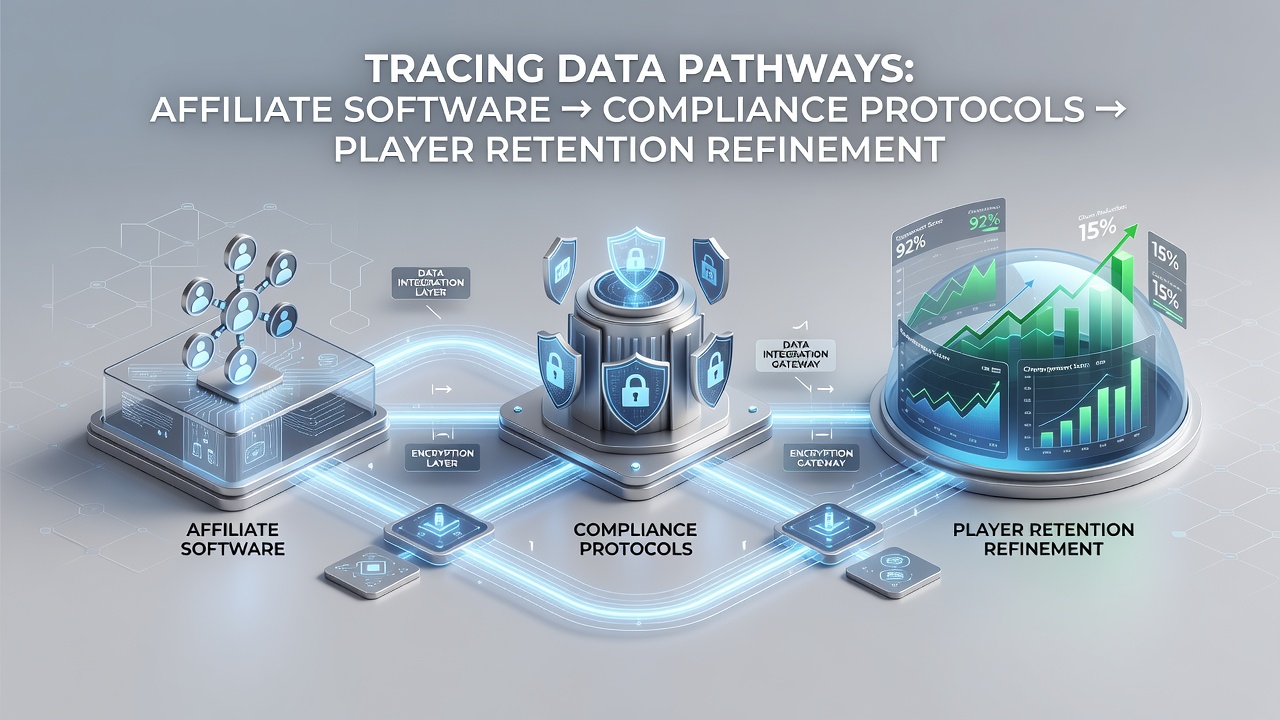
Data pathways between affiliate software and compliance protocols form the backbone of player retention efforts in live dealer mobile gaming, where real-time tracking and regulatory checks intersect to keep sessions active and accounts secure. Operators route player acquisition signals from affiliate platforms directly into verification modules, allowing compliance teams to flag issues before they disrupt engagement, and this integration has grown more precise since mobile live dealer traffic expanded sharply in 2025.
Affiliate Software as the Entry Point for Player Data
Affiliate platforms collect initial touchpoints such as referral links, bonus claims, and device identifiers, then feed those streams into centralized databases that compliance systems access within seconds of signup. When a new mobile user joins through an affiliate campaign, the software tags the record with campaign identifiers and expected lifetime value estimates, which compliance protocols cross-reference against watchlists and deposit limits before the player reaches the live dealer lobby. This handoff prevents promotional offers from reaching restricted accounts and keeps retention campaigns aligned with jurisdictional rules that vary by state and province.
Compliance Protocols Shaping Retention Pathways
Compliance layers enforce know-your-customer checks, anti-money-laundering scans, and responsible gaming flags that directly influence which retention offers reach a player on their mobile device. Data from these checks travels back along the same pathways to affiliate dashboards, updating commission structures when players complete verification steps or trigger self-exclusion requests. In June 2026 several North American operators reported that tightening these loops reduced bonus abuse by double-digit percentages while preserving conversion rates from affiliate traffic.
Mobile Live Dealer Specifics in Data Routing
Live dealer environments on smartphones generate continuous telemetry including table selection, chat activity, and session duration, all of which compliance systems monitor for unusual patterns. Affiliate software receives anonymized aggregates of this activity to optimize future campaigns, yet the underlying player identifiers remain masked until compliance clears further personalization. Researchers at several European gaming labs have mapped these flows and noted that latency under 800 milliseconds between affiliate events and compliance decisions correlates with higher average session times across Android and iOS live dealer tables.
Operators now embed API hooks that let affiliate dashboards pull compliance-approved segments without exposing raw personal data, a setup that satisfies both marketing teams and regulators. The same architecture supports geo-fencing updates, so a player traveling across state lines sees offers adjusted instantly while the affiliate still receives credit for the original referral.
Case Examples from Current Deployments
One mid-sized operator in the Canadian market integrated its affiliate tracking suite with provincial self-exclusion registries in early 2026, resulting in automated suppression of bonus notifications for flagged accounts within the live dealer app. Retention metrics for the remaining affiliate-sourced cohort held steady because compliant players received tailored reload offers based on verified play history rather than generic promotions. Similar patterns appear in reports from the New Jersey Division of Gaming Enforcement, where cross-referenced datasets showed improved repeat visit rates when compliance signals reached affiliate systems in under one minute.
Another deployment in Australia linked affiliate software to the national gambling exclusion database, allowing mobile live dealer platforms to pause marketing sequences automatically. The pathways also carried positive signals, such as completed responsible gaming quizzes, back to affiliates so they could target higher-value segments with compliant incentives.
Technical Architecture Behind the Pathways
Modern stacks rely on event-driven pipelines where affiliate events trigger compliance microservices that return structured responses containing risk scores and permitted actions. These responses then inform retention engines that decide whether to serve a personalized live dealer tournament invite or a standard deposit bonus. Encryption standards keep player identifiers tokenized throughout the journey, satisfying both data protection rules and affiliate contract terms that often require proof of compliant marketing.
Database schemas now include dedicated compliance flags alongside traditional affiliate metrics such as click-through rates and first-deposit amounts, giving analysts unified views without separate reporting tools. When anomalies surface, such as rapid deposit patterns on mobile devices, the system routes alerts to both compliance officers and affiliate managers so campaigns can be paused before regulatory thresholds are crossed.
Conclusion
Tracing these data pathways reveals how affiliate software and compliance protocols operate as a single retention system rather than isolated silos in live dealer mobile environments. As operators continue refining the connections through API standards and shared data models, player accounts remain active longer while staying within regulatory boundaries. The architecture supports growth across multiple jurisdictions because the same flows adapt to new rules without rebuilding entire marketing stacks.