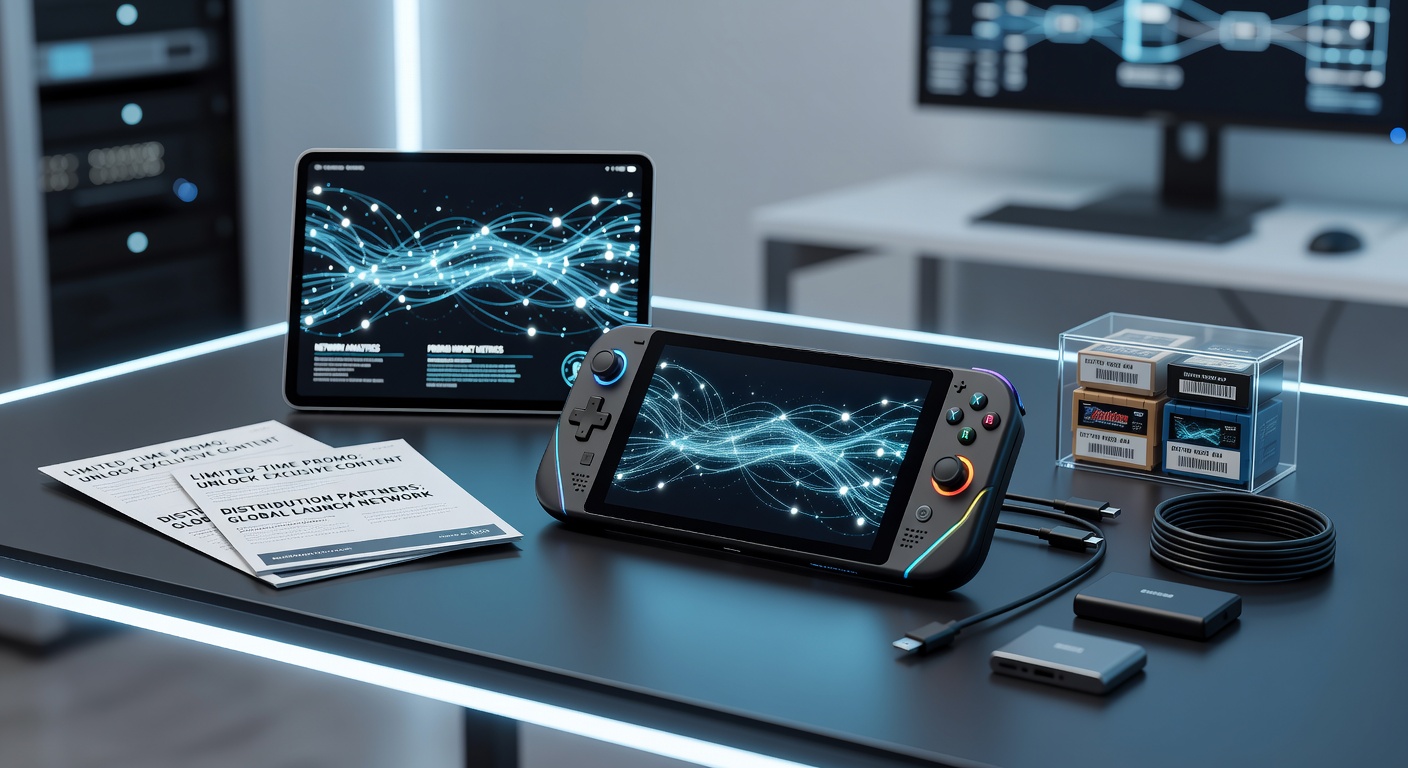
Unraveling Threads Between Promotional Controls and Distribution Networks in Portable Gaming Setups
Portable gaming setups span handheld consoles, mobile devices, and hybrid systems that deliver interactive entertainment across diverse markets, where promotional controls intersect directly with distribution networks to shape how content reaches end users. Companies implement these controls through guidelines that govern advertising claims, discount structures, and partnership terms, while distribution networks handle logistics from manufacturing plants to retail shelves and digital storefronts. Data from industry reports indicate that these elements operate in tandem, with promotional restrictions often dictating which titles receive priority placement in physical and online channels.
Core Components of Promotional Controls
Promotional controls establish boundaries on marketing activities for portable gaming products, covering aspects such as age-appropriate messaging, regional pricing variations, and limits on cross-promotions between hardware and software. Research from the Entertainment Software Association shows that manufacturers apply these measures to align with consumer protection standards and licensing agreements, ensuring that campaigns in May 2026 reflect updated compliance requirements across multiple jurisdictions. Observers note that controls extend to influencer partnerships and in-app purchase promotions, where specific rules prevent misleading representations that could disrupt supply chain flows.
Distribution networks, by comparison, manage the physical and digital pathways that move devices and games from producers to consumers, incorporating wholesalers, app marketplaces, and direct-to-consumer platforms. These networks adapt to promotional directives by adjusting inventory allocations, since certain campaigns trigger volume-based incentives that require coordinated shipping schedules and regional availability adjustments. Figures from market analyses reveal steady growth in portable gaming shipments, driven by integrated hardware-software bundles that rely on synchronized promotional timing.
Connections in Practice
Threads between promotional controls and distribution networks become evident when examining how approval processes for marketing materials influence stocking decisions at major retailers. A delay in clearing promotional copy for a new handheld title can shift release dates across entire distribution pipelines, affecting warehouse throughput and carrier contracts in regions from North America to Southeast Asia. Studies conducted by academic researchers at institutions in Japan and Canada highlight cases where tightened controls on bundle promotions led distributors to prioritize standalone hardware units instead, altering revenue patterns throughout 2025 and into early 2026.

Digital distribution adds further layers, since app stores enforce their own promotional standards that interact with manufacturer guidelines. When a portable gaming platform launches a seasonal sale, network operators must verify that discount codes and featured placements comply with both internal policies and external platform rules, or risk delisting. Evidence from trade publications indicates that companies maintaining dedicated compliance teams achieve faster synchronization between these systems, reducing bottlenecks that previously extended lead times by several weeks.
Developments Observed in 2026
By May 2026, portable gaming distribution networks had incorporated more automated verification tools to check promotional materials against regulatory checklists before campaigns activate. These tools scan for prohibited claims and flag potential conflicts with distribution agreements, allowing quicker adjustments in regions governed by bodies such as the Australian Competition and Consumer Commission. Data compiled through industry tracking services show corresponding increases in on-time deliveries for titles that passed promotional reviews early in the production cycle.
Regional variations remain notable, with European networks placing greater emphasis on data privacy within promotional tracking systems compared to counterparts in other markets. This difference affects how user engagement metrics flow back into inventory forecasting models, prompting distributors to refine their approaches based on locale-specific control frameworks.
Conclusion
The interplay between promotional controls and distribution networks in portable gaming setups continues to evolve through technological integration and regulatory alignment. Companies that map these connections systematically report smoother operations, as documented in sector-wide assessments. Ongoing monitoring of both elements supports consistent product availability while meeting established marketing standards across global markets.