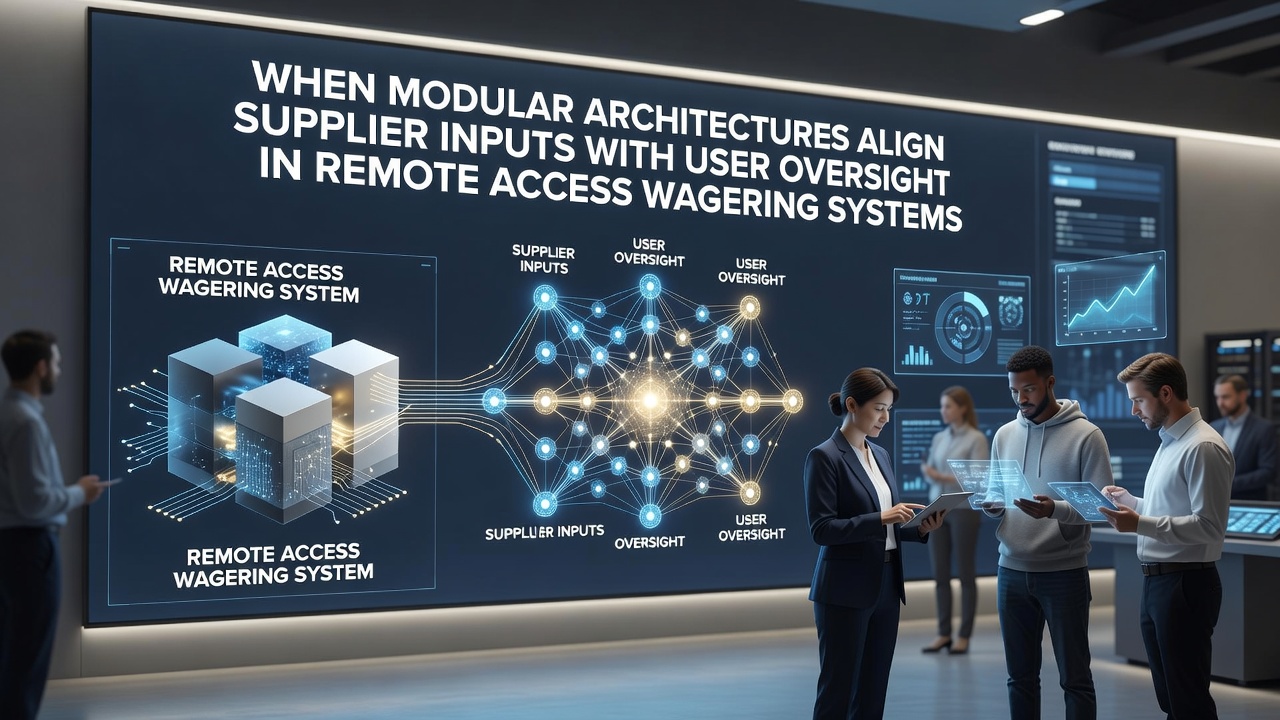
When Modular Architectures Align Supplier Inputs With User Oversight in Remote Access Wagering Systems
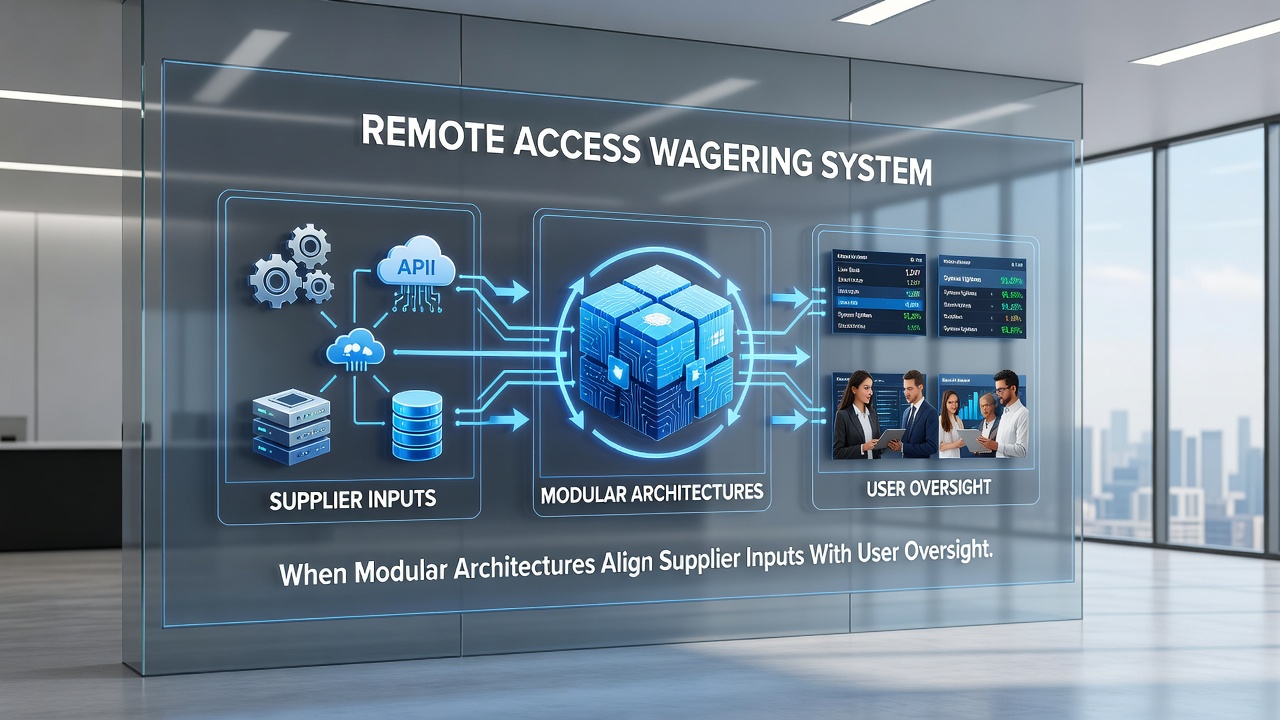
Remote access wagering systems rely on modular architectures that separate core functions into interchangeable components, allowing supplier inputs such as game content feeds, payment processing streams, and analytics data to integrate directly with user oversight tools like session limits, self-exclusion lists, and real-time spending trackers. This alignment creates pathways where external data sources feed into centralized compliance modules without disrupting player interfaces, and system operators gain the ability to adjust oversight parameters based on incoming supplier metrics.
Core Components of Modular Wagering Architectures
Modular designs break down remote wagering platforms into distinct layers that handle authentication, game delivery, transaction processing, and regulatory reporting as independent yet connected units. Suppliers deliver standardized data packets through APIs that plug into these layers, while user oversight functions operate as overlay modules that pull from the same data streams. In July 2026, platform operators reported that such separation reduced integration times for new game providers by up to 40 percent compared with monolithic systems, according to figures released by the Nevada Gaming Control Board.
Supplier inputs typically include RNG outputs, bonus calculation engines, and live dealer streams that arrive in structured formats compatible with oversight protocols. User oversight tools then reference these inputs to enforce rules such as maximum bet thresholds or deposit caps that adapt dynamically to activity patterns detected across multiple supplier channels. The result appears in synchronized logs that regulators can audit without requiring full system downtime for data extraction.
Data Flow Between Suppliers and Oversight Mechanisms
Data enters the architecture through supplier gateways that authenticate and normalize feeds before routing them to a central orchestration layer. This layer maps incoming variables like wager amounts or session durations onto user-defined rules stored in oversight repositories. When a player sets personal limits through the interface, the system translates those settings into filters that apply across all connected supplier modules simultaneously.
Observers note that this mapping prevents conflicts where one supplier's promotional offers might otherwise bypass spending controls enforced by another. Transaction channels carry both the raw input and the oversight metadata in parallel packets, enabling real-time reconciliation that flags discrepancies within milliseconds. Research from the University of Nevada, Las Vegas Center for Gaming Research indicates that platforms using this parallel structure maintained compliance accuracy rates above 98 percent during peak testing periods in early 2026.
Implementation Patterns Across Jurisdictions
North American operators have adopted these architectures to meet varying state requirements for responsible gaming features while accommodating multiple game suppliers. European platforms follow similar patterns but incorporate additional modules for cross-border transaction monitoring required by directives from the European Commission. Australian systems emphasize integration with national self-exclusion databases, routing supplier activity data through oversight filters before any wager processes.
One documented case involved a multi-state operator that connected three different slot providers and two sportsbook feeds to a single user oversight module. The architecture allowed the operator to apply uniform session timeout rules across all suppliers while still permitting each provider to customize in-game messaging within predefined boundaries. Regulators in New Jersey and Pennsylvania reviewed the resulting audit trails and confirmed consistent application of user controls without manual intervention for each new supplier addition.
Technical Alignment Challenges and Resolutions
Alignment requires precise schema matching between supplier data formats and oversight rule engines, yet modular designs accommodate variations through adapter components that translate formats on the fly. Latency remains a concern when high-volume inputs from live dealer streams must pass through oversight checks before reaching the player device. Developers address this by placing lightweight validation scripts at the edge of each module, deferring heavier compliance analysis to background processes that update central records without interrupting gameplay.
Security protocols further support alignment by encrypting both supplier feeds and user oversight commands under the same key management system. This shared infrastructure reduces the number of handoff points where data could be intercepted or altered. Testing conducted by independent labs in 2026 showed that modular setups with unified encryption experienced 30 percent fewer vulnerability incidents than systems relying on separate security layers for each function.
Future Trajectory of Integrated Systems
Continued refinement of modular standards will likely expand the range of supplier inputs that oversight modules can process without custom coding. Emerging protocols focus on semantic tagging that lets oversight tools interpret new data types automatically, such as volatility indexes from game suppliers or behavioral signals from payment processors. Operators who maintain these architectures gain flexibility to incorporate fresh regulatory requirements by updating individual modules rather than rebuilding entire platforms.
Conclusion
Modular architectures create structured environments where supplier inputs and user oversight operate as coordinated elements within remote access wagering systems. The separation of functions combined with standardized data pathways supports consistent rule enforcement across diverse supplier ecosystems. As platforms evolve through 2026 and beyond, these alignments continue to shape how operators meet compliance demands while delivering remote wagering experiences that respond directly to user-specified controls.